
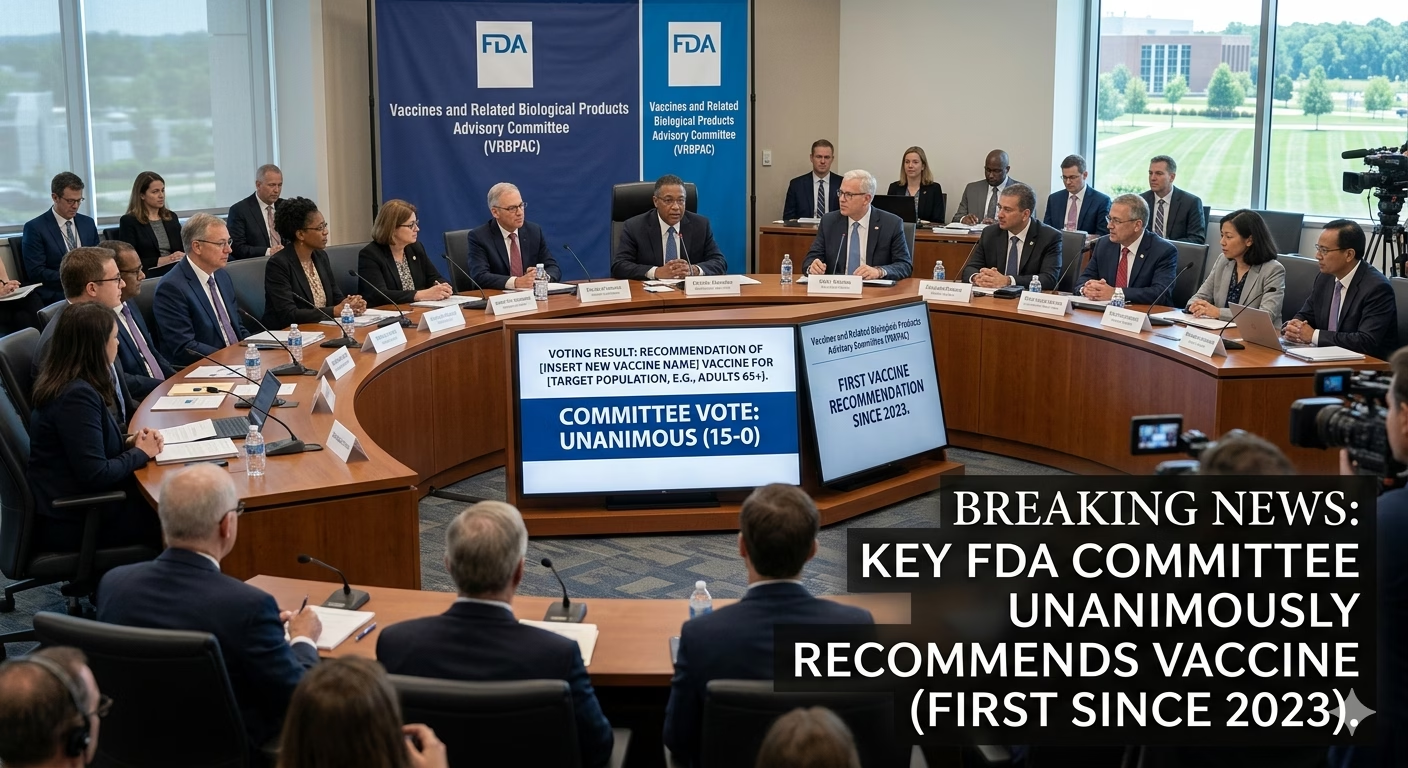
Key FDA Committee Unanimously Recommends Its First Vaccine Since 2023
A key advisory committee to the U.S. Food and Drug Administration (FDA) has unanimously recommended a new vaccine, marking the committee’s first vaccine endorsement since 2023. The decision represents an important development in vaccine innovation and public health, particularly as healthcare agencies continue to focus on improving protection against seasonal infectious diseases.
The recommendation centers on a new mRNA-based influenza vaccine developed by Moderna, a company already known for its work in mRNA vaccine technology. The unanimous vote highlights growing confidence in next-generation vaccine platforms and their potential role in future disease prevention.
FDA Advisory Committee Recommends New Vaccine
The FDA’s independent vaccine advisory committee reviewed extensive clinical trial data before voting in favor of the vaccine.
Committee members evaluated:
- Safety data
- Effectiveness results
- Clinical trial outcomes
- Potential public health benefits
- Manufacturing and quality standards
Following the review, the panel unanimously agreed that the benefits of the vaccine outweigh any potential risks, paving the way for further FDA consideration.
What Makes This Vaccine Important?
The newly recommended vaccine is designed to protect against seasonal influenza using messenger RNA (mRNA) technology.
Unlike traditional flu vaccines, mRNA vaccines use genetic instructions that help the body produce an immune response against specific virus strains.
Potential advantages include:
- Faster vaccine development
- Improved strain matching
- Flexible manufacturing
- Rapid response to emerging virus variants
- Enhanced vaccine innovation
This technology gained global recognition during the COVID-19 pandemic and is now being expanded into other areas of disease prevention.

Understanding mRNA Vaccine Technology
Messenger RNA technology works by delivering instructions that teach cells to produce harmless proteins associated with a virus.
The immune system then learns to recognize these proteins and prepares defenses against future infections.
Benefits of mRNA vaccines may include:
- Faster production timelines
- Highly targeted immune responses
- Adaptability to changing viruses
- Modern manufacturing processes
Researchers believe mRNA platforms could transform the development of vaccines for multiple infectious diseases.
Why This Recommendation Matters
The recommendation is significant because it marks the first vaccine endorsement by this FDA advisory committee since 2023.
The decision demonstrates renewed activity in vaccine approvals and highlights the continuing evolution of vaccine science.
Healthcare experts view the recommendation as an important milestone for:
- Influenza prevention
- Public health preparedness
- mRNA vaccine development
- Future infectious disease responses
The unanimous vote also signals strong confidence among independent experts reviewing the available evidence.
Influenza Remains a Major Health Concern
Seasonal influenza continues to affect millions of people worldwide each year.
Common complications can include:
- Severe respiratory illness
- Hospitalization
- Pneumonia
- Increased risk for older adults
- Health risks for individuals with chronic conditions
Vaccination remains one of the most effective tools for reducing flu-related illness and complications.
How the FDA Approval Process Works
Before a vaccine becomes widely available, it typically undergoes several stages of review.
These include:
Clinical Testing
Researchers evaluate safety and effectiveness through multiple phases of clinical trials.
Advisory Committee Review
Independent experts assess the evidence and provide recommendations.
FDA Evaluation
The FDA reviews all available data before making a final regulatory decision.
Post-Approval Monitoring
Safety monitoring continues after authorization to identify rare side effects and ensure ongoing effectiveness.
The advisory committee’s recommendation is an important step, but final FDA approval decisions still follow additional review processes.
The Future of mRNA Vaccines
Scientists are increasingly exploring mRNA technology beyond influenza and COVID-19.
Research is currently underway for vaccines targeting:
- Respiratory diseases
- Emerging infectious diseases
- Certain cancers
- Personalized medical treatments
Many experts believe mRNA technology could play a central role in the future of medicine.
Public Confidence and Vaccine Innovation
The success of modern vaccination programs depends on both scientific innovation and public trust.
Healthcare agencies continue to emphasize:
- Transparent safety evaluations
- Independent expert reviews
- Ongoing monitoring systems
- Evidence-based decision-making
The unanimous recommendation reflects confidence in the vaccine’s scientific data and its potential public health value.
Conclusion
The FDA advisory committee’s unanimous recommendation of a new mRNA influenza vaccine marks an important milestone in vaccine development. As the first vaccine recommendation from the committee since 2023, the decision highlights the growing role of mRNA technology in modern healthcare.
If ultimately approved, the vaccine could provide a new option for seasonal flu protection while further expanding the use of innovative vaccine platforms that have already transformed public health worldwide.
FAQs
What is the FDA vaccine advisory committee?
It is an independent group of experts that reviews vaccine safety and effectiveness data and provides recommendations to the FDA.
What vaccine was recommended?
The committee recommended a new mRNA-based influenza vaccine.
What does mRNA mean?
Messenger RNA is a technology that helps the body create an immune response against specific diseases.
Is the vaccine approved yet?
The advisory committee recommendation is an important step, but the FDA must still complete its final review process.
Why is this recommendation significant?
It is the first vaccine recommendation from the committee since 2023 and highlights advances in mRNA vaccine technology