Beware: Fake LastPass and Bitwarden Breach Emails Hijack Your PC
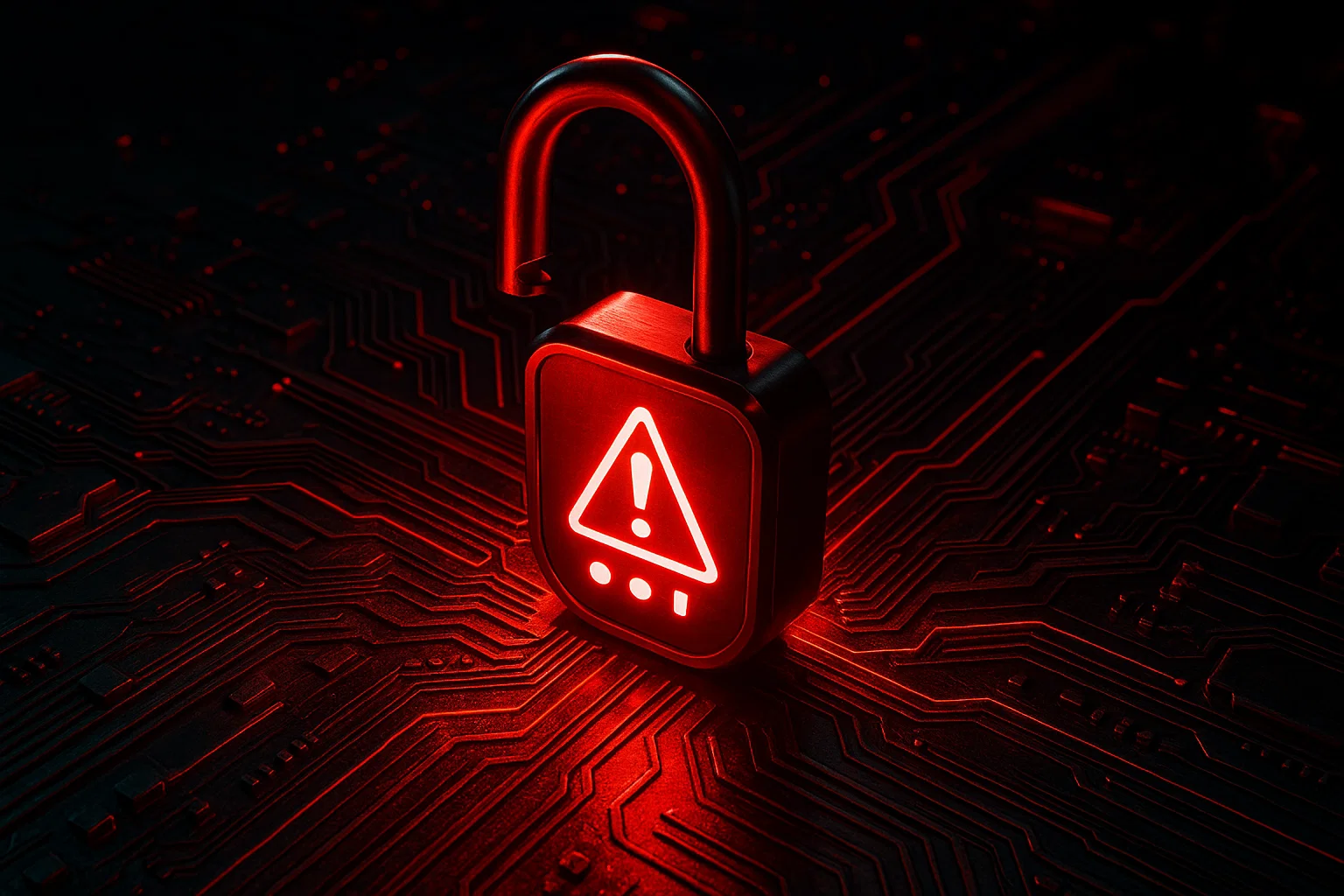
Password manager users now face a cunning phishing attack. Attackers send fake breach alerts mimicking LastPass and Bitwarden. The emails falsely claim a security compromise and push victims to install an updated desktop client. That “client” actually installs remote access malware, letting attackers seize control of your PC
Attack Strategy
Emails urge victims to upgrade to a “more secure” version. After clicking a link, the user downloads a binary—either .exe or .msi. That binary stealthily installs Syncro, a tool often used by legitimate managed service providers (MSPs). Syncro then deploys ScreenConnect, enabling attackers to connect remotely.
The campaign refers to weaknesses in older .exe clients as justification. The same phishing tactic targets Bitwarden users via similarly crafted emails.
Malicious Payload’s Behavior
After installation, the Syncro agent hides itself by removing its icon from the system tray. It periodically “checks in” every 90 seconds. The payload disables major antivirus and security tools (Emsisoft, Bitdefender, Webroot). The configuration is lean and purpose-driven.
Attackers use ScreenConnect as their remote access conduit. Once established, they can drop malware, data-stealing tools, and harvest credentials—potentially reaching password vaults.
Psychological Tactics at Play
- Fear and urgency: The messages warn your vault is breached—act fast.
- Brand trust: Users trust emails coming from LastPass or Bitwarden.
- Legit tools misused: The use of real MSP software masks malicious activity.
- Hidden presence: The remote agent remains invisible to the user.
Signs & Prevention
- Check sender domains closely—fraudulent emails came from e.g.
lastpasspulse.blogorlastpasjournal.blog(LastPass) andbitwardenbroadcast.blog(Bitwarden). - Do not run security tools from unsolicited links.
- Access official announcement pages manually rather than via email.
- Rely on MFA to protect accounts.
- Scan your system for unknown or hidden apps.
- Maintain strong security software and firewalls.
- Apply updates regularly across OS and applications.
Official Response from LastPass
LastPass denies any breach. They clearly state they never suffered a hack. These emails are part of a social engineering attack designed to trick users.
Consequences if You Fall Victim
Once compromised, attackers have full control. They can deploy backdoors, steal sensitive data, and hold your accounts hostage. The danger goes beyond just credential theft—entire systems could be hijacked.
What You Should Do Now
- Don’t click on unsolicited breach alerts.
- Use trusted methods to check vendor communications.
- If infection is suspected, isolate the machine, run antivirus/antimalware scans, remove unauthorized apps, and change passwords from a safe device.
- Monitor your accounts closely for suspicious activity.
FAQs
Q1. What is the Fake LastPass Bitwarden Breach Scam?
It’s a phishing attack where hackers send fake security emails claiming a data breach at LastPass or Bitwarden. Victims are tricked into installing malware disguised as an update tool.
Q2. How does this scam hijack my PC?
The fake alert leads users to download malicious installers that deploy Syncro and ScreenConnect — remote access tools used by attackers to control your system.
Q3. Were LastPass or Bitwarden actually hacked?
No. Both companies confirmed there was no real breach. The emails are part of a social engineering campaign to deceive users.
Q4. How can I identify a fake breach alert?
Always check the sender’s domain name, avoid clicking suspicious links, and verify updates only from official sites.
Q5. What should I do if I already clicked the link?
Disconnect from the internet immediately, scan your system for malware, remove suspicious apps, and change your passwords from a secure device.
Stay Secure with RojrzTech
Get the latest cybersecurity alerts, real-world attack breakdowns, and safety tips straight from RojrzTech.
👉 Subscribe Now and never fall for phishing scams again.