U.S. Approves Export of Advanced AI Semiconductors to Saudi Arabia and UAE
The United States government has taken a striking step: it has authorized the export of high-end American semiconductors to state-backed companies in Saudi Arabia and the United Arab Emirates (UAE). The decision signals deeper political and technological cooperation between Washington and Gulf nations.
Key Details: What Was Approved
- The U.S. Commerce Department has approved what amounts to 35,000 Nvidia Blackwell chips (GB300s) for export to two companies: G42 in the UAE and Humain in Saudi Arabia.
- These chips represent very advanced AI hardware, critical for building powerful data centers. The deal is valued around $1 billion, though the exact price may vary.
- Approval depends on strict security and reporting measures. The Commerce Department says both companies must comply with ongoing monitoring.
Why This Matters — For Business and Tech
This is not just a commercial transaction. For the U.S., exporting these chips helps to maintain its technological leadership in AI. According to the Commerce Department, the deal aligns with an “AI Action Plan” that underscores America’s commitment to exporting advanced technology to trusted partners.
For Saudi Arabia and the UAE, this deal supercharges their AI ambitions.
- Humain, the Saudi-backed company, has plans to build a 500-megawatt data center, reportedly in partnership with Elon Musk’s xAI.
- G42, based in Abu Dhabi, intends to use these chips to power a massive data center hub. Big names like OpenAI, Cisco, Oracle, SoftBank, and Nvidia are already tied into its roadmap.
The UAE views this as a pivotal moment in its technology journey. According to its ambassador to the U.S., the move “reflects the confidence” between both governments in collaborating on advanced technology.
Geopolitical Context: Why Timing Is Important
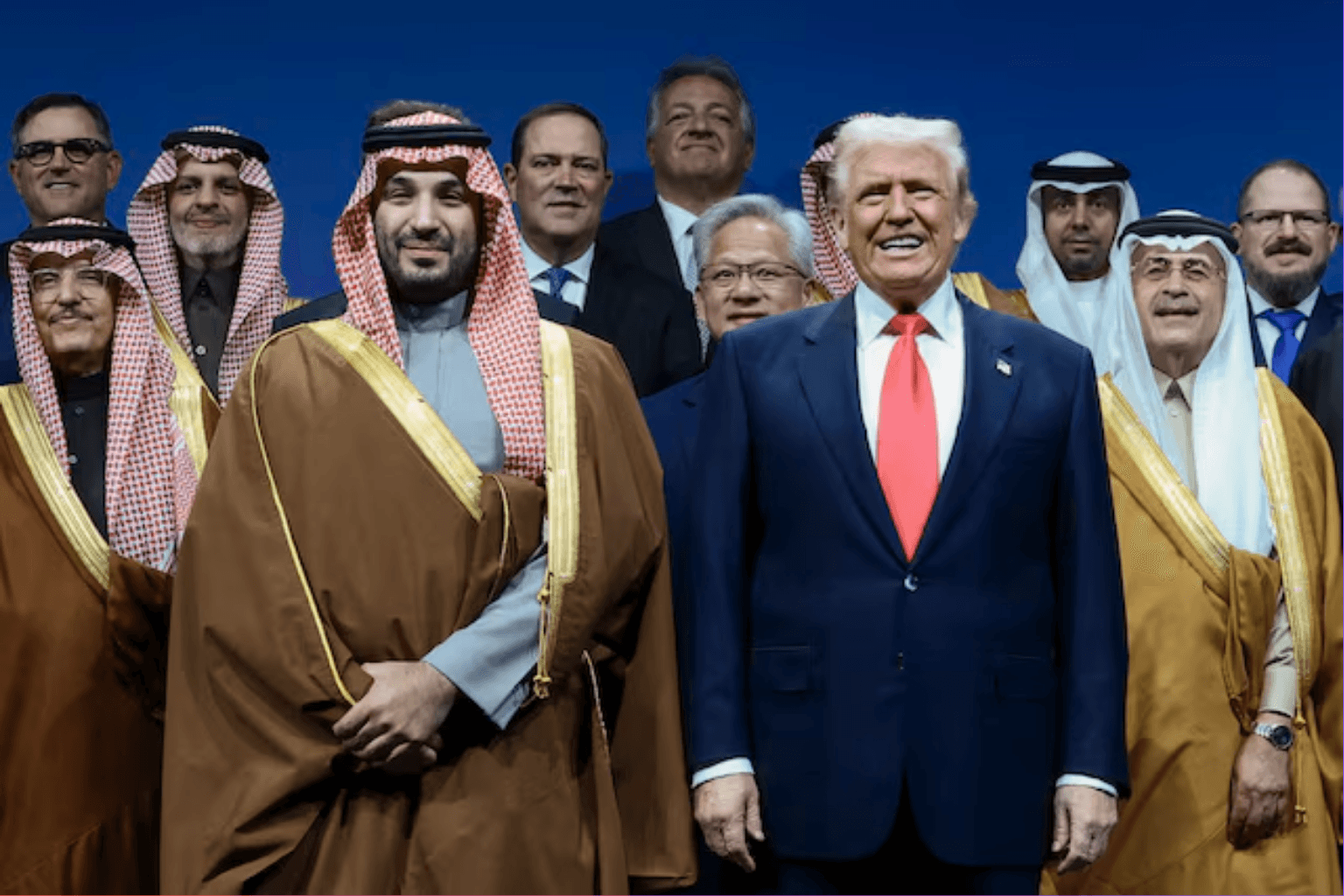
This authorization coincides with Crown Prince Mohammed bin Salman’s first trip to the U.S. since 2018, a tour loaded with diplomatic symbolism.
The decision also builds on earlier AI and tech agreements between Washington and the Gulf. It follows a broader push by Gulf nations to become major global AI hubs, using U.S. technology as a backbone.
Risks and Conditions
The U.S. did not simply hand over the chips freely. The approval came with conditions meant to prevent misuse or diversion of high-end tech:
- G42 and Humain must adhere to detailed reporting protocols and security checks.
- The Commerce Department’s Bureau of Industry and Security will keep a close watch on the companies.
These conditional safeguards suggest Washington aims to manage both opportunity and risk — enabling its partners to scale AI, while limiting potential national security concerns.
Short-Term vs Long-Term Significance
This is a short- to medium-term move with long-term strategic potential:
- Short-term: The immediate effect is clear — Gulf AI companies get access to a large shipment of powerful chips. That enables faster data center build-outs.
- Long-term: The deal could anchor regional AI ecosystems, strengthen U.S.-Gulf tech diplomacy, and influence global semiconductor supply dynamics.
Therefore, this news matters now, but its full impact will likely unfold over years as data centers are built and AI capacity scales.
Humain and Elon Musk’s xAI plan to jointly develop data centers in Saudi Arabia, including a 500 megawatt facility.
The UAE hailed the decision as “another milestone” in its partnership with the U.S.
“The authorization follows sustained engagement between both governments and reflects the confidence that underpins our collaboration in advanced technology and national security,” UAE ambassador to the U.S. Yousef Al Otaiba said in a statement.
G42, an Emirati state-linked tech firm that is driving the development of its artificial intelligence industry, intends to build one of the world’s largest data center hubs in the United Arab Emirates with U.S. technology.
Technology giants Nvidia (NVDA.O), OpenAI, Cisco (CSCO.O), opens new tab, and Oracle (ORCL.N), opens new tab, along with Japan’s SoftBank are working with G42 to build the first phase, known as Stargate UAE, set to go online in 2026.
Frequently Asked Questions (FAQs)
Q1: Who gets these Nvidia chips?
A1: The chips will go to G42 (UAE) and Humain (Saudi Arabia), two state-backed AI companies.
Q2: How many chips?
A2: The approval covers up to 35,000 Nvidia Blackwell (GB300) chips.
Q3: What is the value of the deal?
A3: It’s estimated to be around $1 billion, depending on final pricing and delivery.
Q4: Are there any safeguards?
A4: Yes. Approval requires strict security protocols and regular reporting.
Q5: Why now?
A5: The authorization aligns with deepening U.S.-Gulf tech ties and major AI infrastructure plans in both countries.
Stay Informed and Ahead in the AI Arms Race
Share this story → Help business and tech leaders in your network understand the geopolitical stakes behind advanced chip exports.
Read RojrzTech’s analysis → Explore how this move reshapes the global semiconductor supply chain and Gulf tech ecosystems.