Trump Administration Agrees to Accelerate Student-Loan Forgiveness — What This Means for Millions
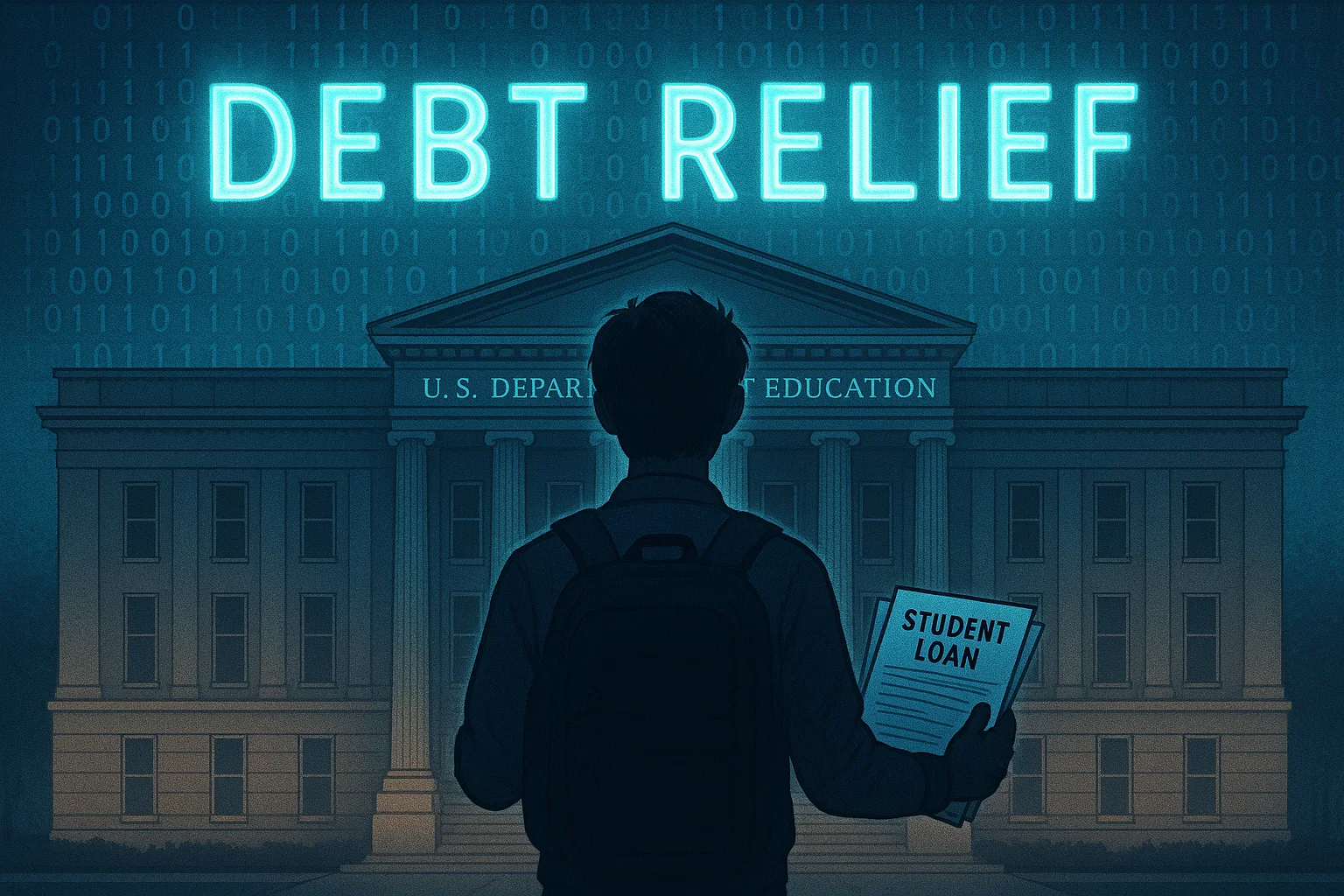
In a major shift that could reshape how thousands of Americans manage their debt, the Trump administration has agreed to a court-supervised plan to accelerate student-loan forgiveness for millions of borrowers. The deal — struck with the American Federation of Teachers (AFT) and filed on October 17, 2025 — not only revives stalled debt-relief pathways under income-driven repayment (IDR) plans but also ensures that eligible borrowers will avoid unexpected tax burdens due to government processing delays.
The Background: Why This Matters
For years, federal student-loan programs promised relief to borrowers who met certain payment thresholds under plans like Income-Contingent Repayment (ICR) and Pay As You Earn (PAYE). But beginning earlier in 2025, borrowers reported applications being paused, processing halted, and uncertainty mounting. The AFT filed suit against the U.S. Department of Education after allegations that borrowers had been wrongly denied relief and were facing growing tax liabilities due to delays.
What the Agreement Does
Under the newly-filed agreement, the government will resume processing forgiveness applications for the affected IDR plans and the Public Service Loan Forgiveness (PSLF) buy-back option for eligible public-service workers. Fox Business Significantly, borrowers who qualified for relief in 2025 but whose cases were delayed will be treated as though forgiveness occurred on the original date of eligibility — thereby protecting them from tax consequences that would otherwise arise if discharge happened in 2026 or later.
Why Tax Protection Is So Important
A provision in the American Rescue Plan made forgiven student debt tax-free through December 31, 2025. But if relief is processed after that date, higher tax bills could hit borrowers unexpectedly. This agreement ensures the 2025 cutoff is honored despite administrative lag.
Who Is Affected?
Roughly 2–2.5 million borrowers are enrolled in the key IDR plans, and tens of thousands of public-service workers are awaiting PSLF buy-back credit for time spent in deferment or forbearance. Business Insider These individuals have been stuck in limbo — paying their loans on time but unable to access the cancellation they believed was guaranteed.
The Impact on Borrowers
For many, the agreement offers tangible relief:
- Outstanding balances may be discharged this year, improving financial flexibility.
- No unexpected federal tax hit on forgiven amounts in 2025.
- A clear timeline and reporting requirement: The Education Department must now file monthly status updates with the court.
However, the agreement still awaits court approval, and the actual processing and disbursement of relief will vary based on program backlog and verification work.
For Tech & Finance Observers
From a tech-policy perspective, the case highlights the interplay between large-scale data systems, administrative backlog, and financial risk for millions of users. Loan-servicing platforms, IRS tax reporting systems, and federal digital infrastructure are all in play. Agencies must ensure that status tracking, data validation, and automation support a surge in processing volume without causing new glitches.
What to Do If You’re a Borrower
- Visit StudentAid.gov to check your plan status and eligibility.
- Ensure you’re enrolled in a qualifying IDR plan (e.g., PAYE, ICR) or PSLF if eligible.
- Save documentation of your payment history, forbearance periods, and any notifications.
- Monitor your tax documents next year to confirm forgiven debt is handled correctly.
- Stay alert to announcements from the Education Department or AFT.
The Bigger Picture
This agreement isn’t just a policy update — it’s a signal that the federal government is acknowledging systemic issues in student-loan administration and responding under pressure. For millions of borrowers, it could mean the difference between decades of payments and an earlier financial reset.
What Comes Next
- Court must approve final deal: only then will loan cancellations be officially processed.
- Education Dept. must deliver six monthly reports on progress, giving transparency into approvals and discharge numbers.
- Policy shifts beyond 2025: Borrowers should monitor how future repayment plans and relief options evolve, especially under new legislation being discussed for 2026 and beyond.
FAQs
Q1. Which student-loan plans are covered by the deal?
The agreement covers Income-Contingent Repayment (ICR), Pay As You Earn (PAYE), and PSLF buy-back eligibility for qualifying borrowers. Business Insider
Q2. When will my loan be forgiven?
While processing is set to resume immediately, many cases remain in backlog. Cancellation dates will depend on verification and updates — but eligible borrowers prior to December 31, 2025 will benefit from tax protections.
Q3. Will I owe taxes if my loan is forgiven this year?
No. Under the agreement, the forgiveness date will be considered the date you first met eligibility, ensuring you avoid tax liability for 2025. Fox Business
Q4. What if I’ve already made payments after becoming eligible?
Refunds will be provided for those who paid beyond the date they became eligible for forgiveness. This was a key term in the agreement. Business Insider
Q5. Is forgiveness guaranteed now?
The deal must still be approved by a court. Once approved, cancellation processing begins — but until then, eligibility verification and plan enrolment remain crucial.
Get Ahead of the Debt Reset. Stay Informed.
At RojrzTech, we bring you deep-dive analysis on policy updates, tech system changes, and financial impacts that matter. Subscribe now for real-time alerts and insights on what comes next.