
Google’s War on “Back Button Traps”: A Decisive Blow to Manipulative Web Tactics
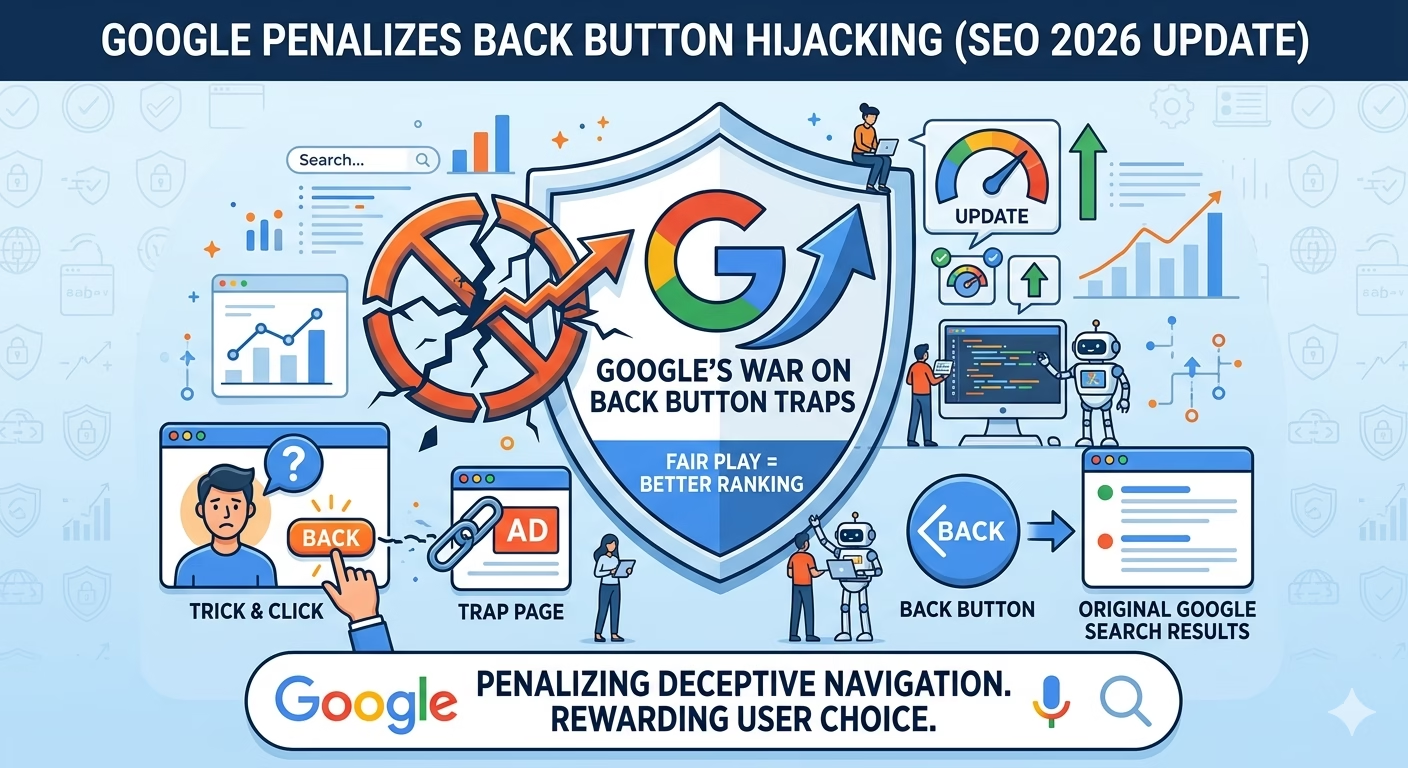
In the ever-evolving landscape of the internet, the battle between user experience (UX) and aggressive monetization tactics is constant. For years, users have encountered a frustrating phenomenon: attempting to leave a webpage by clicking the “back” button, only to find themselves redirected to a different advertisement, a fake search page, or stuck on the same site. This practice, known in the industry as “Back Button Hijacking” or “History Manipulation,” is now firmly in Google’s crosshairs.
As part of its ongoing mission to prioritize high-quality content and seamless navigation, Google has announced a significant update to its ranking algorithms and browser policies aimed at punishing sites that employ these “traps.” This move marks a pivotal shift in how the search giant defines “web spam” and signals the end of the road for one of the internet’s most annoying deceptive patterns.
Understanding the Trap: What is Back Button Hijacking?
To understand the weight of Google’s decision, one must first understand the technical trickery involved. When you browse the web, your browser maintains a “history stack”—a list of the pages you have visited. Normally, clicking “back” takes you to the previous entry in that stack.
Malicious or overly aggressive websites use JavaScript to inject “fake” entries into this stack. When a user clicks back, the browser doesn’t return to the Google search results or the previous site; instead, it triggers a script that loads a new ad, a pop-under, or refreshes the current page. The user becomes a prisoner of the tab, forced to either close the window entirely or click “back” dozens of times in rapid succession to escape.
The New Punishment Regime
Google’s strategy to combat this involves a two-pronged approach: Chrome browser intervention and Search ranking penalties.
2. Search Ranking Penalties: Perhaps more devastating for site owners is the integration of these behaviors into Google’s Search quality algorithms. Google has made it clear that “page experience” is a top-tier ranking factor. Sites that utilize deceptive navigation patterns will now be flagged as providing a poor user experience. The punishment is direct: a significant drop in search engine results page (SERP) visibility.
Why Google is Taking a Stand Now
The timing of this crackdown is no coincidence. As the internet becomes increasingly saturated with AI-generated content and “made-for-advertising” (MFA) websites, the quality of the open web is under threat. When a user clicks a link from Google Search and gets “trapped,” it doesn’t just reflect poorly on the website; it reflects poorly on Google. If users feel that Google is leading them into digital traps, they may lose trust in the search engine itself.
Furthermore, this move aligns with the broader industry shift toward “Core Web Vitals“—a set of metrics that measure speed, responsiveness, and visual stability. Back button hijacking is the antithesis of these principles, creating a jarring and unpredictable browsing environment.
The Impact on the Digital Advertising Ecosystem
The sites most affected by these changes are often those on the fringes of the digital advertising world. Legitimate publishers rarely use such tactics because they value long-term brand loyalty. However, for the “churn and burn” sector—sites that exist only to capture accidental clicks—this update is catastrophic.
Advertisers are also likely to welcome this change. No brand wants its products associated with a website that frustrates and deceives its visitors. By cleaning up the “back button” mess, Google is indirectly improving the quality of the inventory available to advertisers.
What This Means for Web Developers and SEOs
- Ensuring no scripts automatically redirect the user upon a back-button trigger.
- Avoiding “interstitial” ads that block the exit path of a visitor.
- Focusing on genuine engagement metrics rather than forced retention.
Frequently Asked Questions (FAQs)
1. What exactly is a “Back Button Trap”?
A back button trap (or history hijacking) occurs when a website uses code to insert extra pages into your browser’s history. When you try to go back to your previous page (like Google Search results), you instead stay on the same site or get sent to an unwanted advertisement.
2. How does Google detect these sites?
Google uses two methods. First, the Chrome browser identifies websites that add entries to the history stack without the user clicking anything. Second, Google’s search crawlers and AI algorithms analyze page behavior to see if it violates user experience policies.
3. Will my site be penalized if I have a “Return to Top” button?
No. Functional navigation elements that help the user move around your site are perfectly fine. Google is specifically targeting deceptive scripts that prevent a user from leaving the site or returning to their previous destination.
4. Can this affect my SEO rankings?
Yes. Google has integrated “Page Experience” into its ranking signals. If your site is flagged for manipulative navigation, it can lead to a significant drop in your search rankings, making it harder for people to find your content.
5. How can I fix this if my site was flagged?
The first step is to remove any “history.pushState” or “popstate” JavaScript tricks that are being used to manipulate the browser history. Ensure that when a user clicks the back button, the browser performs the action they expect. Once the deceptive code is removed, Google’s algorithms should eventually recognize the improvement during the next crawl.
At RojrzTech, we don’t just follow tech trends — we engineer them.
From AI-driven web development to SEO-optimized digital solutions, our team empowers your brand to thrive in the next era of intelligent technology.
Ready to upgrade your digital journey?
Let RojrzTech craft your next breakthrough — because innovation starts with the right partner