
CES 2026 TV Trends to Watch: RGB TVs Boom and 85 Inches Becomes the New Standard
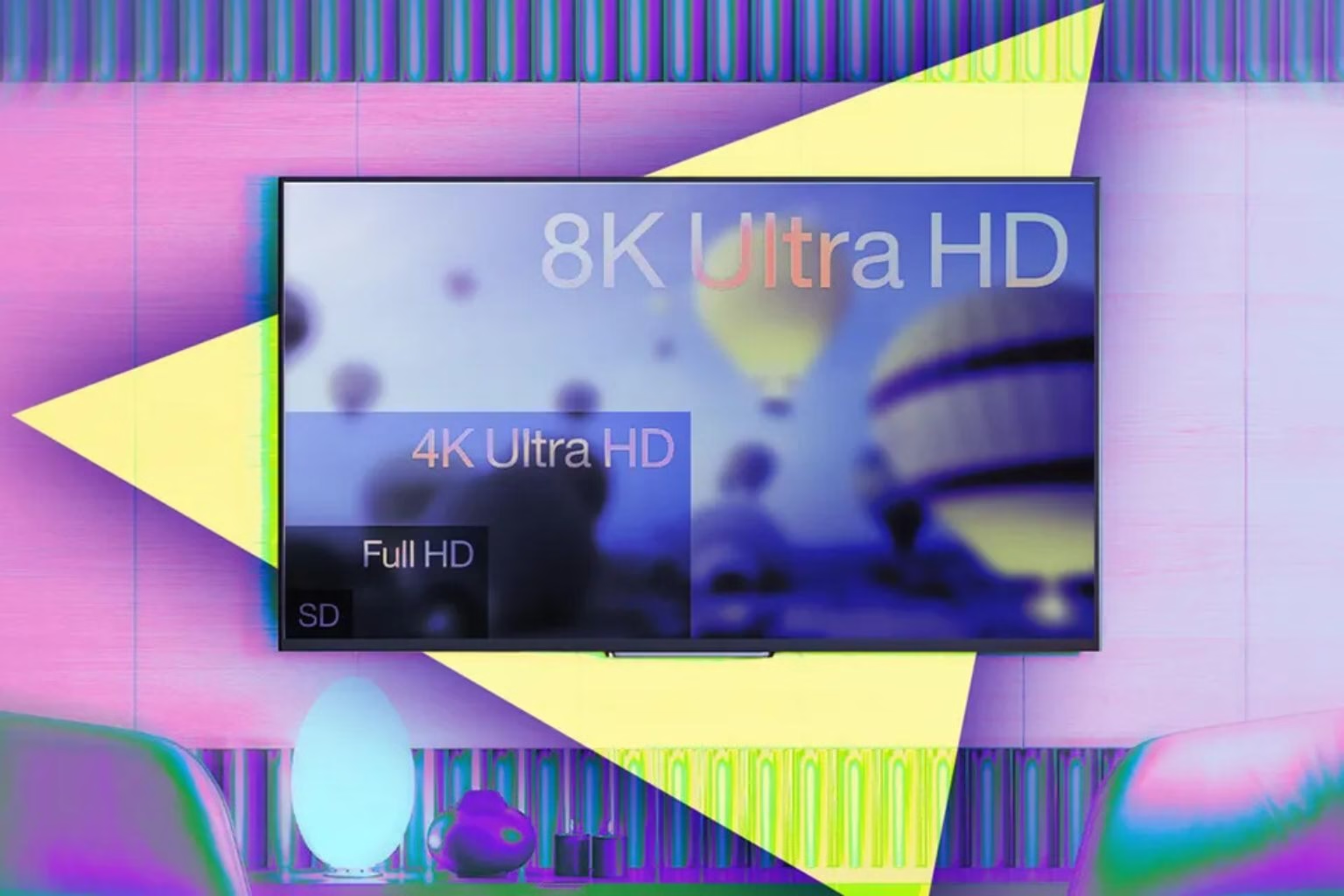
As CES 2026 approaches, the television industry is gearing up for one of its most exciting technology years yet. Major brands are set to unveil a wave of new TVs, with RGB and Micro RGB technology emerging as central trends. Beyond that, the shift toward larger screens — particularly 85‑inch models and above — is gaining momentum, signaling that 85 is the new 65 inches for premium home entertainment.
These trends reflect not just incremental improvements in size and resolution, but broader changes in how displays are engineered, powered by advances in LED backlighting, artificial intelligence, color accuracy, and smart features.
Micro RGB and RGB: The New Frontier in TV Display Technology
A standout theme for CES 2026 is the rise of Micro RGB technology, where displays use separate red, green, and blue LED elements rather than conventional white LED backlights or even standard Mini LED implementations. This approach promises drastically improved color precision, brightness, and gamut coverage, pushing picture quality closer to or even beyond current OLED standards.
Samsung, for example, is expanding its Micro RGB TV lineup with multiple screen sizes — from mainstream 55‑inch and 65‑inch models to larger 75‑, 85‑, 100‑ and even 115‑inch configurations — bringing this advanced panel technology to broader audiences and not just ultra‑premium buyers. These models feature next‑gen AI processing engines that deliver refined motion handling, sharper upscaling, and deeper color detail across a full range of content.
Meanwhile, LG is launching its own Micro RGB EVO TVs, with RGB backlight zones controlled by powerful AI processors and innovative local dimming systems. These sets aim to combine the benefits of LED brightness with nearly OLED‑level color performance, making them a major highlight of the CES display showcase.
The introduction of RGB technologies by multiple manufacturers — including Samsung, LG, Hisense, TCL, and others — suggests a significant shift in how high‑end TVs will be designed for 2026 and beyond. The technology’s ability to deliver richer color and greater contrast without the typical burn‑in risks of OLED could make it very popular among enthusiasts and home theater fans.
Larger Screen Sizes: 85 Inches and Beyond
Another clear trend at CES 2026 is the normalization of larger screen sizes. While 65‑inch TVs were once considered the ideal premium living room display, manufacturers are now pushing 85‑inch screens as the new sweet spot, balancing immersive viewing experiences with price and space considerations. Bigger options in 100‑inch and even 115‑inch sizes are also gaining traction among buyers who want a cinematic experience at home.
This shift reflects greater consumer demand for more immersive edge‑to‑edge viewing, driven by streaming services, higher UHD content availability, and enhanced smart TV capabilities. As prices for larger panels gradually decline — supported by improved manufacturing efficiencies — screen sizes once seen as niche are becoming mainstream.
AI Enhancements Take Center Stage
TV makers are not just focusing on physical screen improvements; artificial intelligence (AI) is set to play a major role in defining next‑gen display experiences. From real‑time image upscaling to motion enhancement and scene optimization, built‑in AI engines are being used to improve clarity, contrast, and color balance dynamically.
Samsung’s Micro RGB TVs will include advanced AI engines that help render smoother motion and richer visual detail. AI assistants and companion features are also being integrated more deeply into TV platforms, enabling voice control, smart suggestions, and interactive search without relying solely on remote controls.
These AI tools enhance both picture performance and everyday usability, making smart TVs even more central to the connected home.
Smart Home Integration and Content Platforms
Another trend expanding at CES 2026 is the convergence of TVs with broader smart home ecosystems. Samsung has announced enhanced integration with services like Google Photos, meaning users will soon be able to access personalized photo galleries and memories directly on their TV screens without needing extra devices. This bridges the gap between home display tech and daily digital life.
Other manufacturers are also enhancing smart TV platforms to offer personalized recommendations, cross‑device connectivity, and seamless transitions between content types, from streaming media to music to gaming.
These platforms rely on improved hardware — including fast processors and responsive user interfaces — to make TV browsing smoother and more intuitive.
Modern Aesthetics and Ambient Display Features
CES 2026 will also showcase how TVs are becoming integrated lifestyle pieces rather than just screens. Models like LG’s Gallery TV lineup emphasize design that blends into home decor, with laser‑thin profiles, customizable frames, anti‑glare finishes, and curated art modes.
When not in active use, these TVs can display artwork, photos, and ambient visuals, adding aesthetic value to living spaces. Such features reflect a shift in product philosophy — from pure performance screens to multifunctional and visually appealing home installations.
Sound and Immersive Audio
Display innovation at CES 2026 is matched by audio enhancements. Many new TVs will support Dolby Atmos, advanced spatial audio systems, and proprietary sound technologies designed to complement high‑end picture performance. The result is an immersive audiovisual experience that matches the visual advancements in color and size.
As TVs become the centerpiece of entertainment spaces, manufacturers are ensuring that audio quality keeps pace with visual improvements.
Sustainability and Energy Efficiency
Environmental considerations are also shaping the next wave of TV technology. Many CES 2026 showcases include TVs built with more sustainable materials, energy‑efficient components, and power‑saving firmware that reduce consumption without compromising performance.
Energy efficiency is becoming an important selling point, especially for larger screens that traditionally consume more power.
FAQs – CES 2026 TV Trends
Q1: What is an RGB TV?
RGB TVs use separate red, green, and blue LEDs for backlighting, offering superior color accuracy, brightness, and contrast compared to traditional LED and Mini LED displays.
Q2: Why are 85‑inch TVs becoming more popular?
Larger screens provide more immersive viewing experiences and are now more affordable, leading manufacturers to focus on 85‑inch and above as the new mainstream premium choice.
Q3: What is Micro RGB technology?
Micro RGB refers to TV panels that use tiny RGB LEDs to independently light pixels, resulting in wider color gamut coverage and improved contrast performance.
🚀 Build a Stronger Digital Footprint with RojrzTech
In a constantly changing digital environment, brands succeed by staying flexible and focused. RojrzTech delivers tailored solutions across web development, UI/UX, SEO, branding, and social media to help businesses strengthen visibility and performance online.
📩 Start Your Digital Growth Journey
Connect with RojrzTech to create digital experiences that support long-term growth and meaningful engagement. Let’s shape a smarter, more impactful online presence