
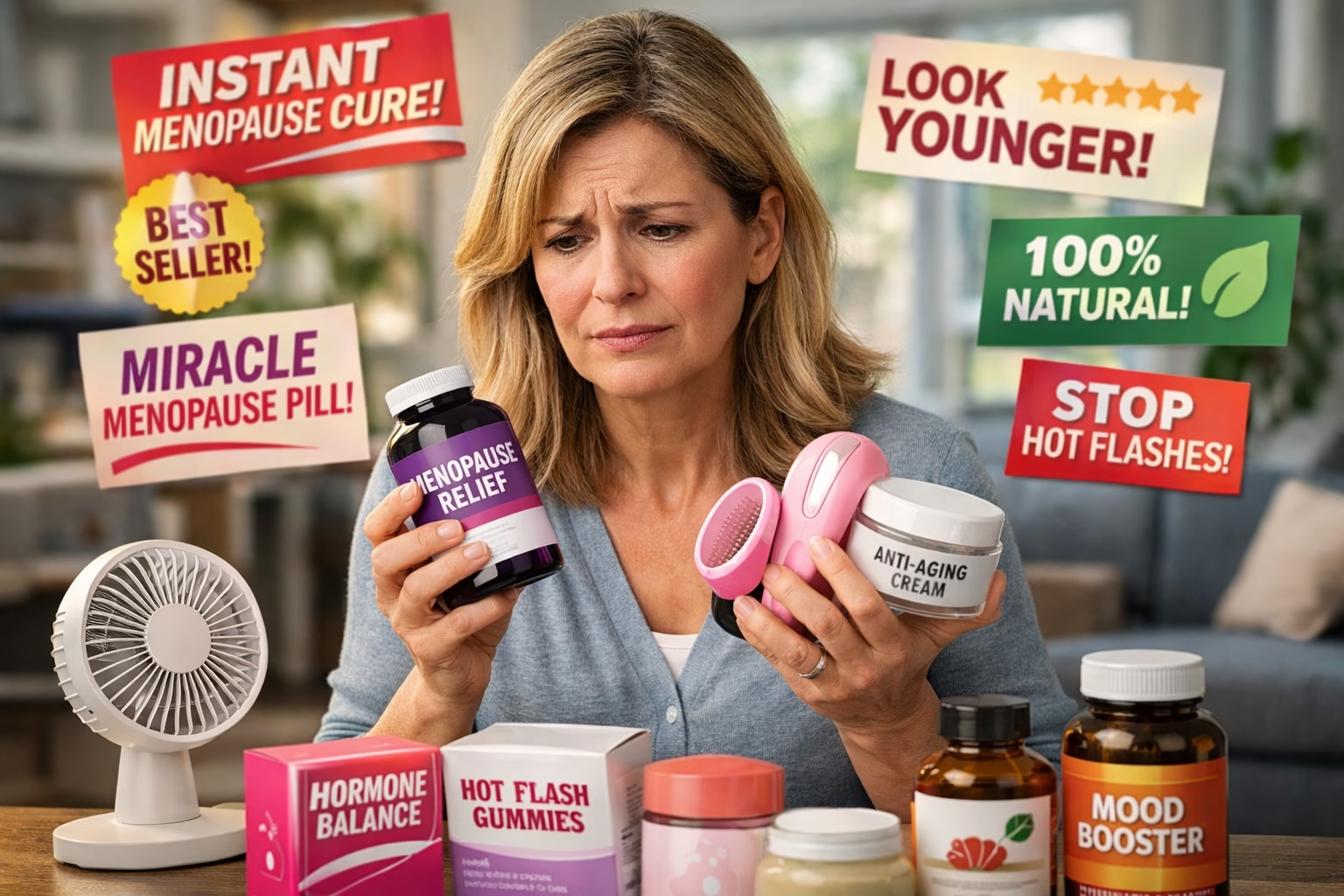
Menopause Products Are Having a Hot Minute — But Doctors Urge Women to Be Wary of the Marketing Surge
The conversation around menopause is finally changing. What was once considered a private and often misunderstood phase of life is now being openly discussed across media, workplaces, and social platforms. This shift has empowered women to seek solutions for their symptoms—but it has also sparked a massive boom in menopause-related products.
From supplements and skincare to cooling devices and hormone-balancing kits, the menopause market is growing at a rapid pace. While this increased attention may seem positive, medical experts are warning women to approach these products with caution. The concern is simple: marketing is moving faster than science.
Understanding Menopause and Its Challenges
Menopause is a natural biological process that marks the end of menstrual cycles. It usually occurs between the ages of 45 and 55, although some women experience it earlier or later. The transition phase, known as perimenopause, can begin years before menopause itself.
During this time, hormone levels—especially estrogen—fluctuate significantly. These changes can cause a wide range of symptoms, including:
- Hot flashes
- Night sweats
- Mood swings
- Sleep problems
- Weight gain
- Brain fog
- Vaginal dryness
For many women, these symptoms can disrupt daily life, work performance, and emotional well-being. This is why the demand for relief has grown so rapidly.
The Explosion of Menopause Products
As awareness increases, companies have jumped into the market with a variety of solutions. Today, women are presented with countless options, including:
- Herbal supplements claiming to balance hormones
- Anti-aging skincare specifically designed for menopausal skin
- Cooling pillows and wearable devices for hot flashes
- Vitamins and energy boosters
- Hormone-related products marketed as natural alternatives
This surge has been described as a “hot minute” for menopause products, meaning the industry is experiencing a peak moment of popularity. Brands are investing heavily in marketing campaigns that target women seeking quick and easy relief.
Why Doctors Are Raising Red Flags
While the availability of options may seem beneficial, healthcare professionals are urging women to stay cautious. Many of these products are not regulated as strictly as prescription medications, which means their claims are not always backed by solid evidence.
1. Limited Scientific Support
A large number of menopause supplements rely on ingredients like black cohosh, soy isoflavones, and herbal blends. While some small studies suggest potential benefits, the overall scientific evidence remains limited and inconsistent.
Doctors emphasize that just because a product is labeled “natural” does not mean it is effective or safe.
2. Overpromising Results
Marketing campaigns often exaggerate the benefits of menopause products. Claims such as “instant relief from hot flashes” or “complete hormone balance” can be misleading.
In reality, menopause symptoms vary from person to person, and there is no one-size-fits-all solution.
3. Potential Health Risks
Some over-the-counter supplements can interact with medications or cause side effects such as headaches, digestive issues, or allergic reactions.
Without proper medical guidance, women may unknowingly put their health at risk while trying to manage symptoms.
4. Financial Burden
Many menopause products are expensive and require long-term use. Women may end up spending significant amounts of money on products that provide little to no benefit.
The Influence of Social Media
Social media has played a huge role in bringing menopause into the spotlight. Influencers, wellness coaches, and celebrities are sharing personal experiences and promoting products to their followers.
While this has helped reduce stigma, it has also blurred the line between genuine advice and paid promotions.
Many influencers are not medical professionals, yet their recommendations can strongly influence purchasing decisions. This makes it even more important for women to verify information before trying new products.
What Actually Works? Medical Perspective
Doctors stress that effective menopause management should be based on evidence and personalized care. Some medically approved approaches include:
Hormone Replacement Therapy (HRT)
HRT is one of the most effective treatments for severe menopause symptoms. It works by replacing declining hormone levels and can significantly reduce hot flashes, night sweats, and vaginal dryness.
However, HRT is not suitable for everyone and should only be used under medical supervision.
Lifestyle Changes
Simple lifestyle adjustments can also make a big difference:
- Maintaining a healthy diet
- Exercising regularly
- Managing stress through meditation or relaxation techniques
- Avoiding triggers like caffeine and spicy foods
Non-Hormonal Treatments
For women who cannot use HRT, doctors may recommend non-hormonal medications or therapies that help manage specific symptoms.
How to Choose Menopause Products Safely
If you are considering menopause products, experts recommend taking a cautious and informed approach:
- Always consult a qualified healthcare provider before starting any supplement
- Look for products that have been clinically tested
- Be skeptical of bold or unrealistic claims
- Check ingredient lists carefully
- Avoid relying solely on influencer recommendations
Doing proper research can help you avoid ineffective or potentially harmful products.
The Bigger Picture: Awareness vs. Exploitation
The growing attention around menopause is undoubtedly a positive development. Women are finally receiving the recognition and support they deserve during this life stage.
However, the commercial side of this trend raises important questions. When companies prioritize profit over patient well-being, there is a risk of exploiting vulnerable consumers.
Doctors emphasize that awareness should lead to better healthcare—not just better marketing.
Conclusion
The rise of menopause products reflects a long-overdue shift in how society views women’s health. More options and open conversations are empowering, but they also come with risks.
As the market continues to grow, women must remain informed and cautious. Not every product delivers on its promises, and some may even do more harm than good.
The key is to focus on evidence-based treatments, seek professional guidance, and make decisions based on health—not hype.
FAQs
1. What are menopause products?
Menopause products include supplements, skincare, devices, and treatments designed to reduce symptoms like hot flashes, mood swings, and sleep issues.
2. Are menopause supplements safe?
Not all supplements are safe. Some may cause side effects or interact with medications. It is important to consult a doctor before using them.
3. Do menopause products really work?
Some products may provide relief, but many lack strong scientific evidence. Results vary from person to person.
4. What is the most effective treatment for menopause symptoms?
Hormone Replacement Therapy (HRT) is considered one of the most effective treatments, but it must be prescribed by a healthcare professional.
🚀Build a Stronger Digital Footprint with RojrzTech
In a constantly changing digital environment, brands succeed by staying flexible and focused. RojrzTech delivers tailored solutions across web development, UI/UX, SEO, branding, and social media to help businesses strengthen visibility and performance online.
📩 Start Your Digital Growth Journey
Connect with RojrzTech to create digital experiences that support long-term growth and meaningful engagement. Let’s shape a smarter, more impactful online presence