
Introduction
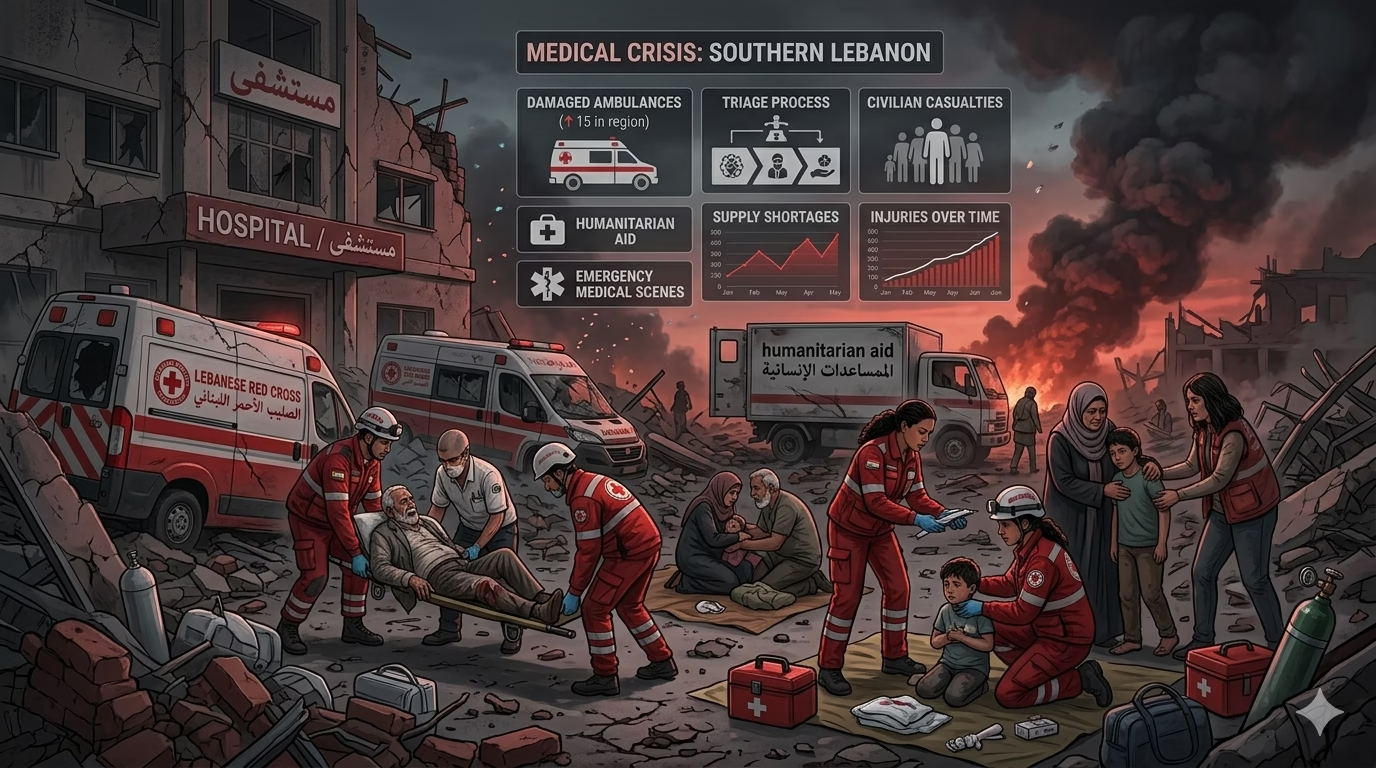
The ongoing conflict in southern Lebanon has triggered a severe humanitarian and healthcare crisis. As violence continues, medical facilities, ambulances, and healthcare workers are increasingly affected. What was once a fragile healthcare system is now on the brink of collapse, and civilians are struggling to access even basic medical care.
In recent months, reports from hospitals and health authorities in the region have painted a grim picture: healthcare infrastructure is being repeatedly hit, and essential services are disappearing under the weight of conflict. The result is a devastating impact on ordinary people who rely on these services for survival.
This article outlines the growing crisis, how healthcare services are being destroyed, and the consequences for the people of southern Lebanon.
A Healthcare System Under Attack
Since the escalation of violence earlier this year, the healthcare system in southern Lebanon has suffered significant damage. Medical facilities that were already limited in capacity are now struggling to remain operational.
Dozens of medical workers have been killed, and many ambulances and healthcare centers have been damaged or destroyed. Each loss represents a reduction in the region’s ability to respond to emergencies and provide basic care.
Hospitals that remain open are overwhelmed with patients, short on supplies, and operating in unsafe conditions. The destruction of infrastructure makes it increasingly difficult to treat the wounded and care for the sick.
Hospitals and Clinics Forced to Shut Down
One of the most alarming consequences of the conflict is the closure of hospitals and clinics.
Several hospitals in southern Lebanon have been forced to shut down due to damage or safety concerns. At the same time, many primary healthcare centers are operating at minimal capacity with limited functionality.
This has created a dangerous situation where people cannot access essential medical care. Patients with chronic illnesses, pregnant women, and those requiring urgent treatment are particularly vulnerable. Many have no option but to travel long distances or go without treatment entirely.
Healthcare workers report that even the facilities that remain open are overwhelmed by the volume of patients and the lack of resources.
Healthcare Workers at Risk
Healthcare workers are supposed to be protected during conflicts, but in southern Lebanon, many have lost their lives while performing their duties.
Medical professionals have been killed or injured while tending to patients, and in some cases, emergency responders have been endangered while trying to rescue victims.
The risk of attack has forced many healthcare workers to operate under extreme fear. The danger of responding to emergencies has discouraged some from continuing their work, further weakening the already strained system.
Ambulatory Services Under Threat
Ambulances are essential for transporting injured individuals to hospitals, especially during times of crisis. However, ambulances in southern Lebanon have also faced damage and destruction.
With reduced ambulance services, injured civilians are unable to reach medical facilities quickly, which can turn treatable injuries into fatal outcomes. Emergency responders are also struggling with limited fuel, damaged roads, and constant security risks.
The destruction of ambulances not only affects emergency response but also reduces the ability to transport patients who require ongoing care for chronic conditions.
Displacement and Loss of Access to Care
The destruction of healthcare infrastructure is closely tied to mass displacement.
As violence continues, thousands of families are forced to flee their homes and seek refuge in safer areas. Many displaced people have lost access to regular healthcare services altogether, which has created new medical challenges.
Displaced populations often live in temporary shelters, where conditions are crowded, and access to clean water, sanitation, and medical care is limited. These conditions increase the risk of infectious diseases and other public health issues, making it even more critical to have functioning healthcare infrastructure.
Damage to Civilian Infrastructure
Healthcare facilities are part of a larger pattern of destruction affecting civilian infrastructure. Homes, roads, electricity systems, and water supplies have also been damaged, compounding the difficulties faced by residents.
When infrastructure such as roads and power supplies are damaged, the ability of hospitals to function properly is severely impaired. Ambulances are delayed, medical equipment cannot operate without electricity, and supply lines for medicines are interrupted.
This chain reaction highlights how the destruction of infrastructure in one area can disrupt essential services across the board.
Conflicting Narratives
Different parties in the conflict present varying explanations for the damage to healthcare infrastructure. One side claims that military operations focus solely on target areas associated with armed groups, suggesting that any impact on healthcare facilities is accidental or unavoidable.
Local health officials and humanitarian organizations, however, report that many of the affected healthcare facilities were solely serving civilians and had no military purpose. They argue that the extent of damage and repeated incidents point to a pattern that cannot be attributed to random or unavoidable circumstances.
This conflicting information adds complexity to understanding what is happening on the ground and makes it harder to verify accounts independently.
Legal and Ethical Concerns
International humanitarian law clearly states that medical facilities, ambulances, and healthcare workers must be protected during conflict. Attacks on these protected entities raise serious ethical and legal questions.
Experts have expressed concern that the destruction of healthcare infrastructure may violate the laws designed to safeguard civilians and essential services during war. Calls for independent investigations and accountability have grown louder in global discussions.
The protection of healthcare services is widely recognized as essential, even in times of armed conflict, because access to medical care is fundamental to human rights and survival.
The Human Cost
Beyond statistics and reports, the true impact of this crisis is reflected in the lives of ordinary people.
Patients who can no longer access treatment, families forced to flee their homes, and healthcare workers risking their lives each day all demonstrate the human toll of the destruction.
For many residents of southern Lebanon, what was once basic access to healthcare has become a daily struggle for survival. Injuries that could have been treated easily in the past now go untreated, leading to long-term disabilities or even preventable deaths.
Children and vulnerable populations especially bear the brunt of the crisis, as they are less able to travel long distances or cope with delays in treatment.
Conclusion
The destruction of healthcare infrastructure in southern Lebanon has created a severe and worsening humanitarian crisis.
Hospitals are shutting down, ambulances are being destroyed, and medical workers are operating in constant danger. Civilians have lost access to life-saving care, and many are living without the health services they once relied on.
Whether viewed from a humanitarian, legal, or ethical perspective, the impact of this destruction is undeniable. Without immediate measures to protect healthcare facilities and personnel, the situation is likely to deteriorate further.
At its heart, this crisis is not simply about conflict. It is about human lives and the essential right to healthcare for every individual.
FAQs
1. Why is healthcare infrastructure being destroyed in southern Lebanon?
Healthcare facilities and services are being affected as part of ongoing military operations in the region, resulting in damage to hospitals, clinics, and ambulances.
2. Are healthcare workers protected during conflict?
Healthcare workers are supposed to be protected under international humanitarian law, but in this conflict, many have been killed or injured while carrying out their duties.
3. How does this affect civilians?
Civilians face limited access to medical care, delayed emergency response, and increased health risks due to damaged infrastructure and displacement.
4. What happens when ambulances are destroyed?
With fewer functioning ambulances, injured people cannot be transported quickly to medical facilities, leading to delays in treatment and higher risk of mortality.
5. Why are hospitals closing?
Hospitals are closing due to damage, lack of supplies, and safety concerns for staff and patients
🚀Build a Stronger Digital Footprint with RojrzTech
In a constantly changing digital environment, brands succeed by staying flexible and focused. RojrzTech delivers tailored solutions across web development, UI/UX, SEO, branding, and social media to help businesses strengthen visibility and performance online.
📩 Start Your Digital Growth Journey
Connect with RojrzTech to create digital experiences that support long-term growth and meaningful engagement. Let’s shape a smarter, more impactful online presence