Google Assistant Will Shut Down in March 2026: Android and Samsung Users Start Losing Features
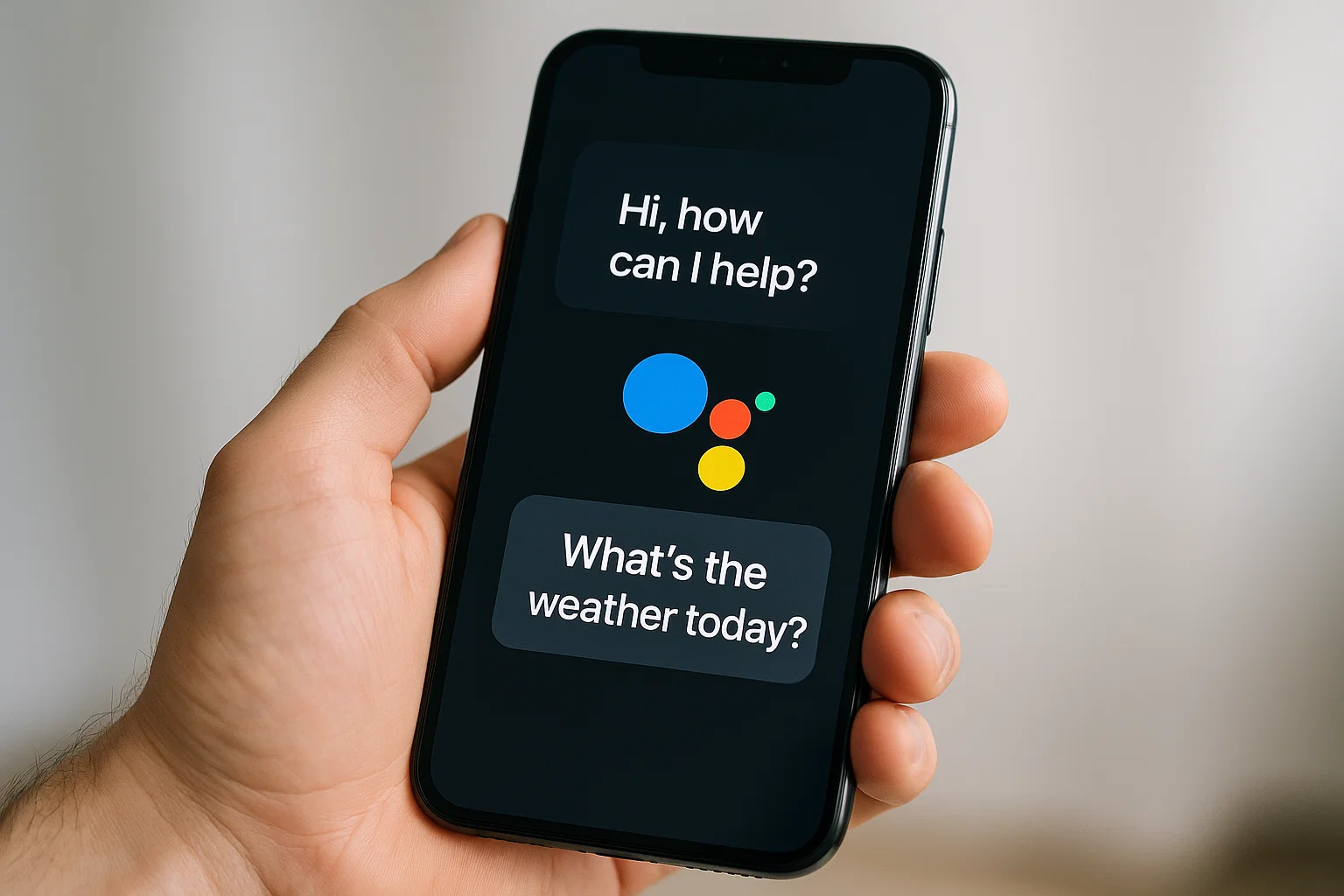
Google has confirmed a major change that will affect millions of users around the world. The company will shut down Google Assistant completely by March 2026. This decision marks the end of one of Google’s most popular and longest-running AI products. Android users, Samsung Galaxy device owners, and Android Auto users already experienced visible changes as Google slowly removes Assistant from different devices.
Google explained that the company now focuses on Gemini, its new AI model that combines voice, chat, and on-screen assistance. Gemini replaces Assistant in most areas, and Google wants to create a unified AI experience on phones, cars, watches, and smart home devices.
Google Removes Assistant From Android Auto
Android Auto users noticed major changes first. Google removed the classic Google Assistant features that people use every day. Voice commands for messages, calls, navigation shortcuts, and reminders no longer work the way they used to. Instead, Google introduced Gemini-powered voice actions with limited capabilities.

Many users complained that Gemini feels slow and sometimes fails to perform simple tasks. Drivers relied on Google Assistant because it delivered quick answers, accurate commands, and consistent responses. The new system still needs improvement, and users hope Google updates it before the full shutdown.
Samsung Galaxy Devices Lose Google Assistant Support
Samsung users noticed the changes quickly. New Galaxy devices already hide many Assistant-related features. Google updated the Play Store and system apps to remove tools that needed Google Assistant. Galaxy phones now push users toward Google Gemini or Samsung Bixby.
Devices like Galaxy S23, S24, Fold 6, and Flip 6 already show reduced Assistant integration. Users who enjoyed hands-free commands feel the impact. Samsung says it respects Google’s new AI direction and will continue updating Bixby, giving users an alternative.
Google Officially Confirms the Shutdown Timeline
Google confirmed that Google Assistant will fully retire by March 2026. The company already removed several Assistant features in earlier updates. This includes:
- Assistant Driving Mode
- Assistant Routines setup pages
- Voice shortcuts
- Shopping list features
- Voice-based notes
- Third-party Assistant actions
- Assistant settings pages
Google says the decision supports their long-term plan to build a universal AI ecosystem powered by Google Gemini. Gemini already works on Android phones, tablets, smart displays, and Chrome. Google claims that Gemini performs more tasks and provides deeper reasoning compared to Assistant.
Why Google Is Ending Assistant
Google wants to build one powerful AI system instead of maintaining multiple assistants. Gemini can read screens, write emails, summarize long documents, and generate images. Assistant could not keep up with these modern features.
Google believes Gemini will grow fast, just like the shift from Google Now to Google Assistant in 2016. The company also wants to compete with ChatGPT, Microsoft Copilot, and Apple’s upcoming AI tools. Google sees an opportunity to move everything into the Gemini ecosystem.
Users React Strongly to the Announcement
The global response shows a mix of frustration and curiosity. Many users feel upset because Google Assistant works smoothly and reliably. They think Assistant performs simple tasks better than current AI chatbots.
Common user complaints include:
- Gemini gives long answers instead of quick actions
- Gemini feels slow compared to Assistant
- Assistant routines and reminders are difficult to replace
- Smart home devices depend heavily on Assistant
- Voice commands inside the car became less convenient
Users fear the day Assistant disappears completely. They hope Google improves Gemini fast before the final shutdown.
What Will Happen After 2026?
By March 2026, Google Assistant will disappear from:
- Android phones
- Samsung Galaxy devices
- Android Auto
- WearOS smartwatches
- Smart speakers
- Smart displays
- Headphones with Assistant integration
Google will replace all these features with Google Gemini, which works through voice or text. Devices with dedicated Assistant buttons will receive updates that switch the button to Gemini.
Smart home users will shift to Google Home updates that rely on AI automation and on-device intelligence.
What Users Should Do Now
Users can prepare for the change by exploring Gemini features. Gemini already provides:
- Voice commands
- Screen reading
- On-device AI responses
- Smart writing tools
- App control
- Web-based actions
- AI-generated summaries
People who use Samsung devices may switch between Bixby and Gemini depending on their needs. Google Home users can also update routines manually to work with the new AI automation system.
The Future of Google’s AI Strategy
Google sees Gemini as its biggest AI transformation in years. The company wants it to be the main assistant for every device. Google aims to develop features like:
- Real-time translation
- Context-based screen understanding
- Natural voice responses
- Personalized device-level actions
- Integration with cars and smart homes
- Creative AI tools for images, text, and audio
Google hopes this shift will bring a new generation of AI assistants that do more than just follow commands.
Final Thoughts
Google Assistant served millions of users for years and became a trusted voice tool on Android and Samsung devices. The announcement of its shutdown marks the end of an important era. Many users feel sad and frustrated, but Google believes the future belongs to powerful AI models like Gemini.
The next year will show whether Google can successfully replace a beloved digital assistant with a modern AI that matches user expectations.
Stay Ahead of Google’s AI Changes
Want the latest updates on Google’s AI shift, Gemini features, and Android device changes?
Visit our site daily for accurate, fast tech news—stay informed before the next big update hits.