
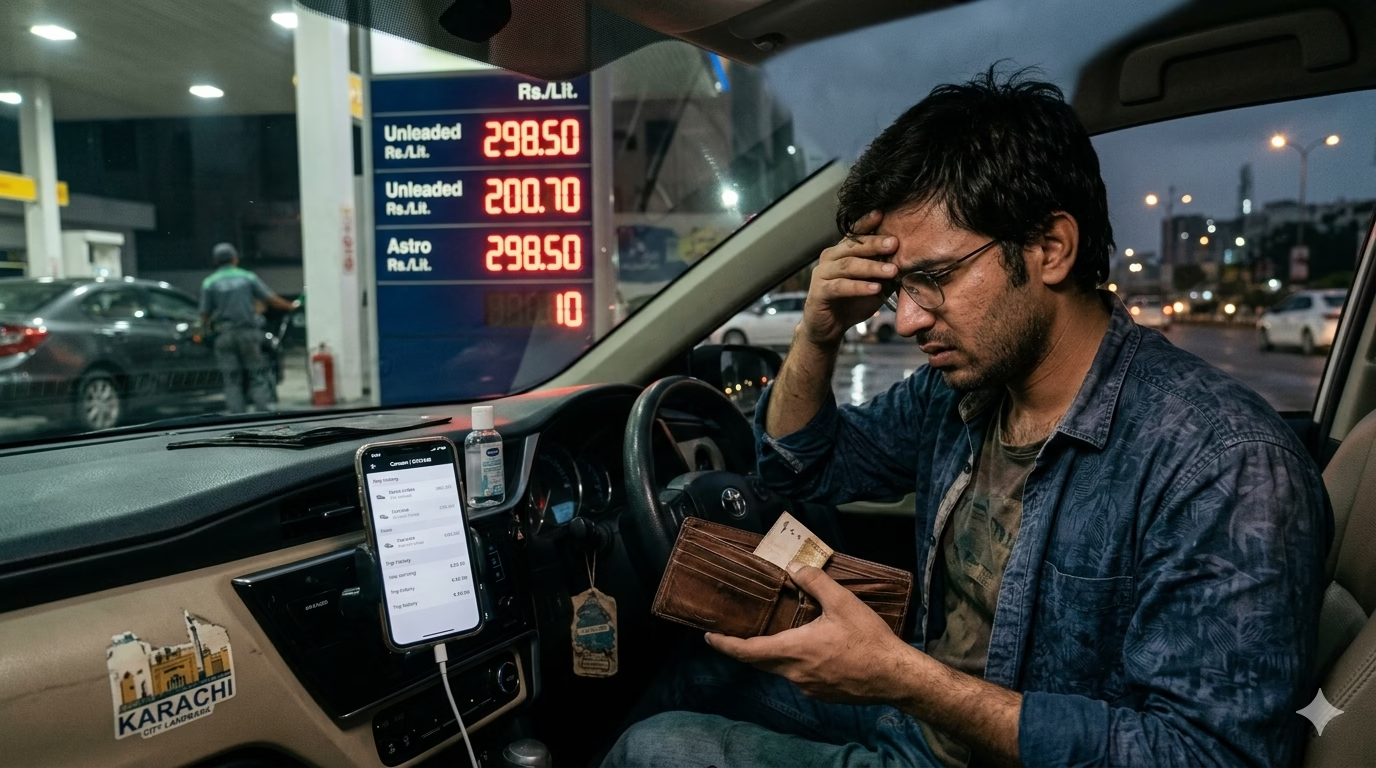
I’m Done: Rideshare Drivers on the Brink of Quitting Over Rising Gas Prices
Introduction
The global rideshare industry is facing a breaking point. From part-time drivers to full-time gig workers, many are now questioning whether continuing in the business is financially viable. As fuel prices surge worldwide, a growing number of drivers working with platforms like Uber, Lyft, and DoorDash are saying the same thing: “I’m done.”
This emerging crisis highlights deeper issues within the gig economy—ranging from unstable income models to rising operational costs. What was once promoted as flexible, profitable work is increasingly becoming unsustainable for millions.
The Growing Ride Share Problem
The modern ride sharing model depends heavily on drivers using their own vehicles. Unlike traditional jobs, drivers cover their own fuel, maintenance, insurance, and depreciation costs.
Now, with fuel prices climbing rapidly, the entire structure is under pressure.
Recent reports show gas prices have jumped significantly due to global geopolitical tensions and oil supply disruptions. In some regions, fuel prices have increased by nearly $1 per gallon within weeks.
For drivers, this is devastating. Their earnings remain mostly fixed per ride, while expenses rise daily.
This imbalance is creating a serious ride share problem, where drivers are effectively earning less despite working the same—or even longer—hours.
“Uber Thank You for Not Riding” – A Growing Sentiment
A phrase gaining traction online—“uber thank you for not riding”—captures the frustration among drivers.
It reflects a shift in mindset:
- Drivers are rejecting low-paying rides
- Many are going offline during non-peak hours
- Some are quitting entirely
Instead of chasing more rides, drivers are becoming selective, prioritizing only trips that cover fuel and time costs.
This strategy, sometimes referred to as “decline and recline,” shows how workers are adapting to survive—but it also reduces service availability for customers.
Real Stories from Drivers
Across the industry, drivers are sharing similar struggles.
One part-time rideshare driver admitted she avoided filling her gas tank because she couldn’t afford it. Another said if fuel prices hit $4 per gallon, she would quit entirely.
These aren’t isolated cases. Millions of drivers depend on their vehicles for income, and rising fuel costs are pushing them to the edge.
For many, ridesharing is no longer a side hustle—it’s their primary livelihood. Losing profitability means losing financial stability.
Temporary Fixes from Companies
Major platforms have introduced short-term relief measures:
- Cashback on fuel purchases
- Discounts through partner apps
- Weekly mileage-based bonuses
For example:
- Uber offers fuel discounts and cashback programs
- Lyft provides debit card cashback rewards
- DoorDash gives weekly payments based on distance driven
While these incentives help slightly, many drivers argue they don’t go far enough.
The core issue remains: base pay has not increased in proportion to rising costs.
Are 7 Million Ride Share Drivers at Risk?
The phrase “7 million ride share drivers jobless overnight” may sound dramatic, but it reflects a real concern.
If driving becomes unprofitable:
- Drivers will leave the platform
- Ride availability will drop
- Prices for passengers will increase
- Platforms may face operational disruptions
This could create a domino effect across the gig economy, impacting not just rideshare services but also delivery platforms and logistics networks.
InDrive Quotes and Market Disruption
Newer platforms like InDrive are entering the conversation with a different model—allowing drivers and riders to negotiate fares directly.
Many inDrive quotes shared online highlight a key difference:
- Drivers feel more control over pricing
- Negotiation allows better cost coverage
- Transparency builds trust
While not perfect, this approach addresses one of the biggest complaints in traditional ridesharing: lack of control over earnings.
Why Drivers Are Quitting
Several factors are pushing drivers to leave:
1. Rising Fuel Costs
Fuel is the biggest expense, and its rapid increase directly cuts into profits.
2. Low Base Pay
Drivers cannot set their own fares, limiting income flexibility.
3. High Vehicle Maintenance
Frequent driving leads to higher wear and tear.
4. Lack of Job Security
Drivers are classified as independent contractors, with no guaranteed income or benefits.
5. Mental and Physical Burnout
Long hours, traffic, and uncertainty take a toll.
The Future of Rideshare: Done Right?
The idea of “rideshare done right” is now being debated more than ever.
Experts suggest several improvements:
- Dynamic pricing tied to fuel costs
- Minimum earning guarantees
- Fuel subsidies or reimbursements
- Better transparency in fare calculations
- Option for drivers to set minimum rates
Without these changes, the current model may not survive long-term pressure.
Impact on Passengers
Passengers are already feeling the effects:
- Longer wait times
- Fewer available drivers
- Higher surge pricing
If more drivers quit, ride-sharing could become less reliable—similar to traditional taxi shortages in the past.
Conclusion
The rideshare industry is at a crossroads. What once revolutionized transportation is now struggling under economic pressure.
Drivers are not just complaining—they are leaving.
If fuel prices continue to rise and companies fail to adapt, the statement “I’m done” may become the norm rather than the exception.
The future of ridesharing depends on whether platforms can create a system that is fair, sustainable, and profitable for the people who keep it running—the drivers.
FAQs
1. Why are rideshare drivers quitting in 2026?
Drivers are quitting mainly due to rising fuel prices, low earnings, and increasing operational costs that make the job unprofitable.
2. How do gas prices affect rideshare drivers?
Higher gas prices directly reduce drivers’ profits since they pay for fuel themselves while fares remain relatively unchanged.
3. Are companies like Uber helping drivers?
Companies are offering temporary incentives like cashback and bonuses, but many drivers say these are not enough to offset costs.
4. What is the “ride share problem”?
It refers to the imbalance between driver expenses and earnings, making the gig model financially unstable.
🚀Build a Stronger Digital Footprint with RojrzTech
In a constantly changing digital environment, brands succeed by staying flexible and focused. RojrzTech delivers tailored solutions across web development, UI/UX, SEO, branding, and social media to help businesses strengthen visibility and performance online.
📩 Start Your Digital Growth Journey
Connect with RojrzTech to create digital experiences that support long-term growth and meaningful engagement. Let’s shape a smarter, more impactful online presence