Apple Responds to Lawsuit Filed by Three YouTube Channels
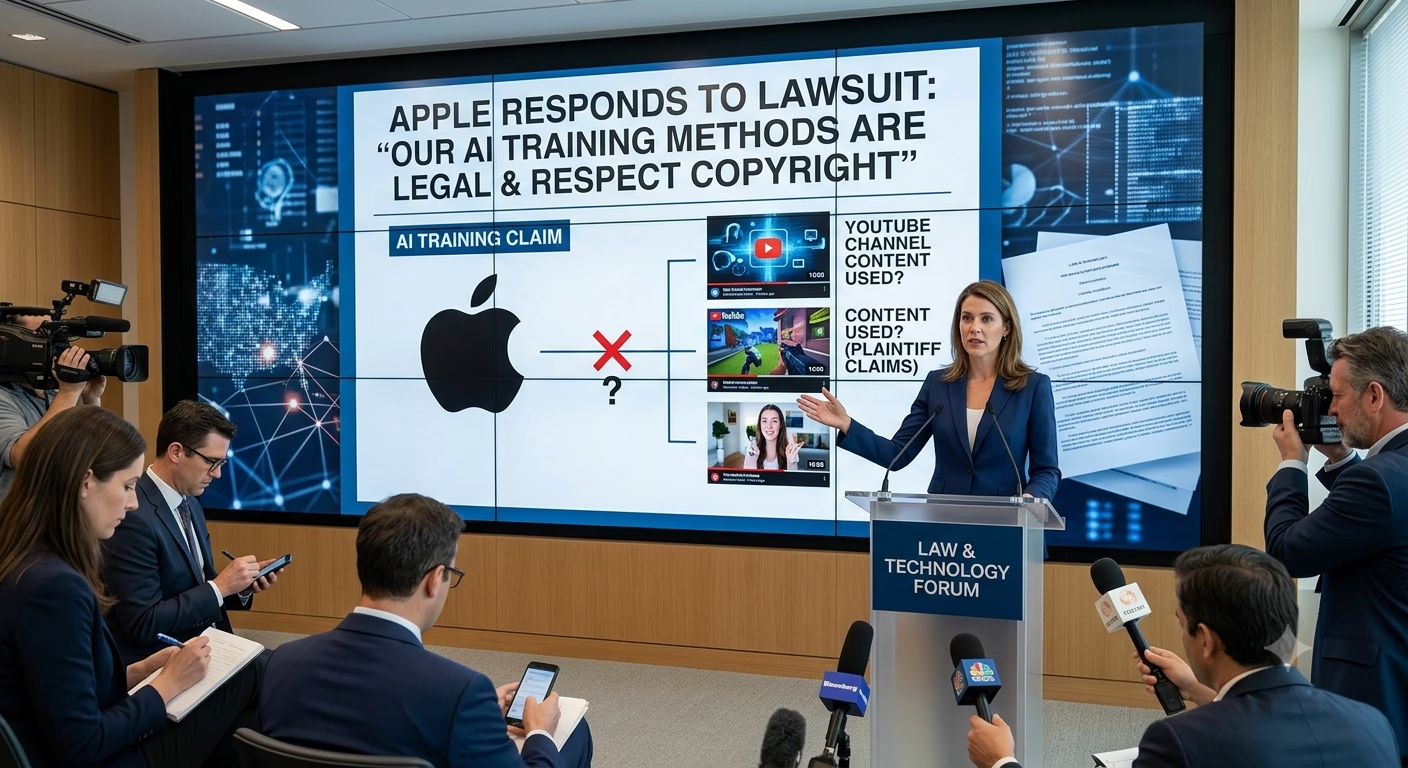
Apple has officially responded to a class-action lawsuit filed by three YouTube channels that accuse the company of unlawfully using copyrighted videos to train its artificial intelligence models. The lawsuit alleges that Apple bypassed YouTube’s technical protections to scrape millions of publicly available videos for AI development without obtaining permission from creators. Apple, however, has denied the allegations and is asking the court to dismiss the case, arguing that the videos were publicly accessible and that no laws were violated.
The case has attracted significant attention because it could shape how technology companies use publicly available online content to train generative AI systems. As AI models become more powerful, disputes over copyright, data usage, and creator rights continue to grow.
What Is the Lawsuit About?
The lawsuit was filed earlier this year in a U.S. federal court by the owners of three YouTube channels:
- h3h3Productions
- MrShortGame Golf
- Golfholics
The plaintiffs claim Apple violated the Digital Millennium Copyright Act (DMCA) by circumventing YouTube’s anti-scraping technology and downloading copyrighted videos to help train its AI models. They argue that while their videos are publicly viewable, they are protected from unauthorized downloading and large-scale data collection.
According to the complaint, Apple’s AI research relied on datasets that referenced millions of YouTube videos, including content created by the plaintiffs.
Apple’s Response
Apple has rejected the allegations and filed a motion asking the court to dismiss the lawsuit.
The company argues that:
- The videos were publicly available on YouTube.
- Anyone could watch the videos without payment or a password.
- The DMCA does not prohibit access to content that is already publicly accessible.
- The plaintiffs have failed to demonstrate a legal violation under copyright law.
Apple maintains that publicly viewable content can be lawfully accessed under both the DMCA and YouTube’s Terms of Service, and therefore the lawsuit should not proceed.
Why the Case Matters
This lawsuit is part of a growing wave of legal disputes involving AI companies and copyrighted material.
Generative AI systems require enormous amounts of data for training, including:
- Images
- Text
- Videos
- Audio
- Code
Content creators argue that their work should not be used without permission or compensation, while AI companies generally maintain that training on publicly available information falls under existing legal frameworks.
The outcome of this case could influence how AI developers collect training data in the future.
The Role of AI Training Data
Artificial intelligence models improve by learning from massive datasets.
For video-based AI systems, training data may include:
- Video clips
- Captions
- Audio
- Motion analysis
- Visual patterns
The lawsuit alleges Apple used YouTube videos as part of this process, while Apple argues that merely accessing publicly available videos does not violate copyright protections.
What the Plaintiffs Want
The YouTube creators are asking the court to:
- Certify the lawsuit as a class action.
- Award statutory damages.
- Prevent Apple from using the disputed content.
- Require Apple to stop alleged copyright violations.
- Cover legal costs if the plaintiffs prevail.
If the court allows the case to proceed, additional creators could potentially join the lawsuit.
Apple’s AI Development
Apple has significantly expanded its artificial intelligence efforts over the past two years.
Its AI strategy includes:
- On-device intelligence
- Writing assistance
- Image generation
- Developer tools
- Smarter Siri capabilities
- Enterprise AI research
Like many major technology companies, Apple requires large datasets to improve the accuracy and capabilities of its AI models.
Copyright and AI Continue to Collide
The legal questions raised in this case extend far beyond Apple.
Technology companies developing AI have faced increasing scrutiny over the use of copyrighted content during model training.
Key issues include:
- Whether publicly available content can legally be used for AI training.
- Whether downloading content differs from simply viewing it.
- Whether creators deserve compensation.
- How copyright law applies to machine learning.
Courts in several jurisdictions are expected to address similar questions in the coming years.
Impact on Content Creators
Many online creators worry that AI companies benefit from their work without providing credit or payment.
Supporters of stronger copyright protections argue that:
- Creators should control how their content is used.
- AI companies should obtain licenses.
- Revenue-sharing models may become necessary.
Others believe broader access to public information is essential for continued AI innovation.
Impact on the AI Industry
The case could have significant consequences for AI developers.
If courts impose stricter rules on training data, companies may need to:
- Negotiate licensing agreements.
- Purchase commercial datasets.
- Create original training material.
- Develop new methods for responsible data collection.
Such changes could increase AI development costs but also provide greater protections for creators.
Public Debate Over AI and Copyright
The rapid growth of generative AI has sparked an ongoing global debate.
Supporters of AI innovation argue that learning from publicly available information is comparable to how humans learn.
Critics argue that large-scale automated copying differs fundamentally from human learning and should require authorization.
Courts will likely play a central role in defining these legal boundaries.
What Happens Next?
Apple has requested dismissal of the lawsuit, but the court must first determine whether the plaintiffs have presented sufficient legal claims.
Possible outcomes include:
- The lawsuit is dismissed.
- The case proceeds to discovery.
- The parties negotiate a settlement.
- The dispute eventually reaches trial.
Regardless of the outcome, the decision is expected to influence future AI copyright litigation.
Conclusion
Apple’s response to the lawsuit filed by three YouTube channels highlights one of the most important legal questions facing the artificial intelligence industry: how AI companies can use publicly available online content for model training. While Apple argues that publicly accessible YouTube videos can be lawfully accessed under existing laws, the creators contend that their copyrighted work was improperly scraped without permission. As courts continue to examine the relationship between AI innovation and copyright protection, this case may become an important precedent for both technology companies and digital content creators.
Frequently Asked Questions (FAQs)
Why are three YouTube channels suing Apple?
They allege Apple unlawfully scraped copyrighted YouTube videos to train its AI models in violation of the DMCA.
Which YouTube channels filed the lawsuit?
The plaintiffs are h3h3Productions, MrShortGame Golf, and Golfholics.
How did Apple respond?
Apple denied the allegations and asked the court to dismiss the lawsuit, arguing the videos were publicly accessible and legally viewable.
What is the lawsuit about?
The case centers on whether Apple improperly accessed YouTube videos to train artificial intelligence models without authorization.
Could this affect other AI companies?
Yes. The outcome may influence how AI developers collect and use publicly available online content for training future models.
What does Apple say about the DMCA claim?
Apple argues that because the videos were publicly available, the alleged technical measures do not qualify as access controls under the DMCA.
What happens next?
The court will decide whether the lawsuit should be dismissed or allowed to continue through the legal process.
🚀 Elevate Your Digital Presence with RojrzTech
The digital landscape evolves rapidly. Brands thrive when they adapt quickly, innovate continuously, and leverage robust online systems. RojrzTech empowers your business with tailored solutions in Website Development, UI/UX Design, Social Media Management, SEO, Branding, and Custom Digital Services.
Our expert team builds strategies that align perfectly with your goals, helping you achieve a stronger online presence, higher engagement, and sustainable growth. Every project is designed to give your brand a competitive edge in a fast-moving digital world.
📩 Ready to Transform Your Digital Future?
Don’t wait to take your brand to the next level. Contact RojrzTech today and start creating a digital experience that resonates, converts, and grows. Together, we’ll design, innovate, and elevate your brand’s online journey