
Price of First Class Stamps to Rise to £1.80 – What It Means and How Prices Have Changed Over Time
The cost of sending letters in the United Kingdom is increasing again as the national postal operator Royal Mail has announced that the price of first class stamps will rise to £1.80. This latest price change stamp update has attracted attention from consumers, businesses, and postal users who still rely on traditional mail.
Over the past few decades, stamp prices have gradually increased as the postal industry adapts to modern communication trends. Digital messaging, email, and online billing have significantly reduced the number of letters being sent. Because of this shift, postal companies have been forced to adjust their pricing structure to maintain their nationwide delivery networks.
This article explores the price of first class stamps over the years, the reasons behind the latest increase, and how stamp prices have evolved throughout history.
Why the Price of First Class Stamps Is Increasing
The increase to £1.80 represents one of the largest price jumps in recent years. Postal services across the world are facing financial pressure as traditional mail continues to decline.
One major factor behind the increase is the dramatic fall in letter volumes. Over the past two decades, people have switched to digital communication platforms. Emails, messaging apps, and online services have replaced many types of letters that were once sent through the postal system.
Another important reason is the rising cost of operating postal networks. Delivering mail requires large investments in fuel, logistics, sorting facilities, and employee salaries. Even if fewer letters are being sent, the network must still operate across the entire country.
Postal services like Royal Mail are also required to deliver letters nationwide, including rural and remote areas. This universal service obligation increases costs and contributes to rising stamp prices.
Price of First Class Stamps Over the Years
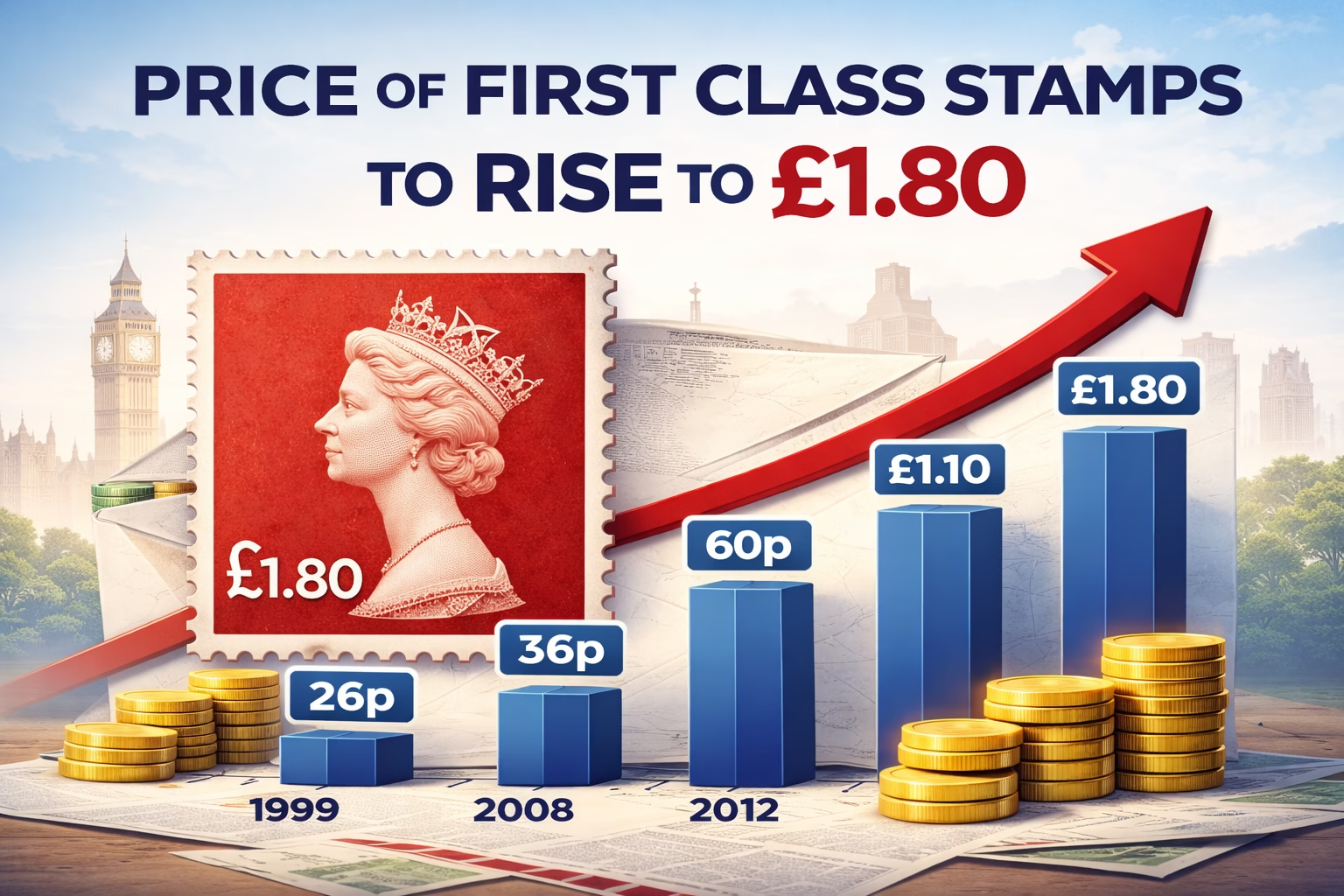
The price of first class stamps history shows how dramatically postal costs have changed over time.
In the late 1990s, sending a letter was extremely affordable. The price of a first class stamp in 1999 was around 26 pence. At that time, letters were widely used for communication between individuals, businesses, and government institutions.
By 2008, the price had increased to about 36 pence. Although this was higher than previous years, the increase was still relatively moderate compared to modern price changes.
Throughout the 2010s, stamp prices began rising more quickly as digital communication reduced the demand for traditional mail. Postal companies needed to increase prices to maintain their operations.
Today, the cost has reached £1.80, showing how much the postal industry has changed over the past two decades.
Cost of First Class Stamps Over Time
Looking at the cost of first class stamps over the years reveals three major phases in pricing trends.
The first phase included gradual price increases before 2010. During this time, stamp prices usually rose slowly by a few pence each year because the postal system was still heavily used.
The second phase began as digital communication became dominant. Emails and online services replaced many traditional letters, which forced postal services to adjust their pricing strategies.
The third phase is the modern period, where stamp prices have increased more rapidly. Postal operators are adapting to declining letter volumes while maintaining nationwide delivery networks.
Impact on Consumers and Businesses
The new £1.80 price will affect individuals and businesses in different ways.
For everyday consumers, the impact may be limited because many people send letters only occasionally. However, people who regularly send greeting cards, invitations, or official documents may notice the higher costs.
Small businesses that rely on mail for invoices, marketing materials, or customer communication could experience increased operational expenses.
Some organizations may shift more communication online to reduce postal costs.
Are Stamps Still Important Today?
Despite the growth of digital communication, stamps remain important for certain purposes. Legal documents, government communications, and official paperwork often still require physical delivery.
Personal letters, greeting cards, and invitations also keep traditional mail relevant. Many people still appreciate the personal touch that handwritten letters provide.
Because of these reasons, stamps continue to play a role in modern society even though letter volumes have declined.
Future of Stamp Prices
Experts believe stamp prices may continue rising in the future. As fewer people send letters, postal companies must balance operational costs with declining revenue.
Future changes may include adjustments to delivery schedules, more focus on parcel services, and additional price increases.
The price of first class stamps over time reflects the transformation of communication systems worldwide.
FAQ
1. What is the new price change stamp announcement?
The latest update confirms that the price of first class stamps will rise to £1.80, which reflects higher operational costs and declining letter volumes.
2. What is the price of first class stamps over the years?
Stamp prices have increased steadily over time. For example, the price was about 26p in 1999, around 36p in 2008, and has now reached £1.80.
3. What was the price of a first class stamp in 2008?
The price of a first class stamp in 2008 was approximately 36 pence, which was significantly lower than current prices.
4. What was the price of a first class stamp in 1999?
In 1999, the price of a first class stamp was around 26 pence, reflecting the higher use of traditional mail at that time.
5. Why do stamp prices increase regularly?
Stamp prices increase because of declining letter volumes, rising operational costs, and the requirement for postal services to maintain nationwide delivery networks.
6. How many Rs 3 stamps are there in a dozen?
A dozen always means 12 items, so there are 12 Rs 3 stamps in a dozen, giving a total value of Rs 36.
7. Will stamp prices continue to rise in the future?
Many experts believe stamp prices could continue increasing as postal services adapt to modern communication trends and economic pressures.
📩 Start Growing Your Digital Presence Today
Partner with RojrzTech to craft digital experiences designed for long-term success and real audience connection. Let’s build an online presence that works harder for your business