
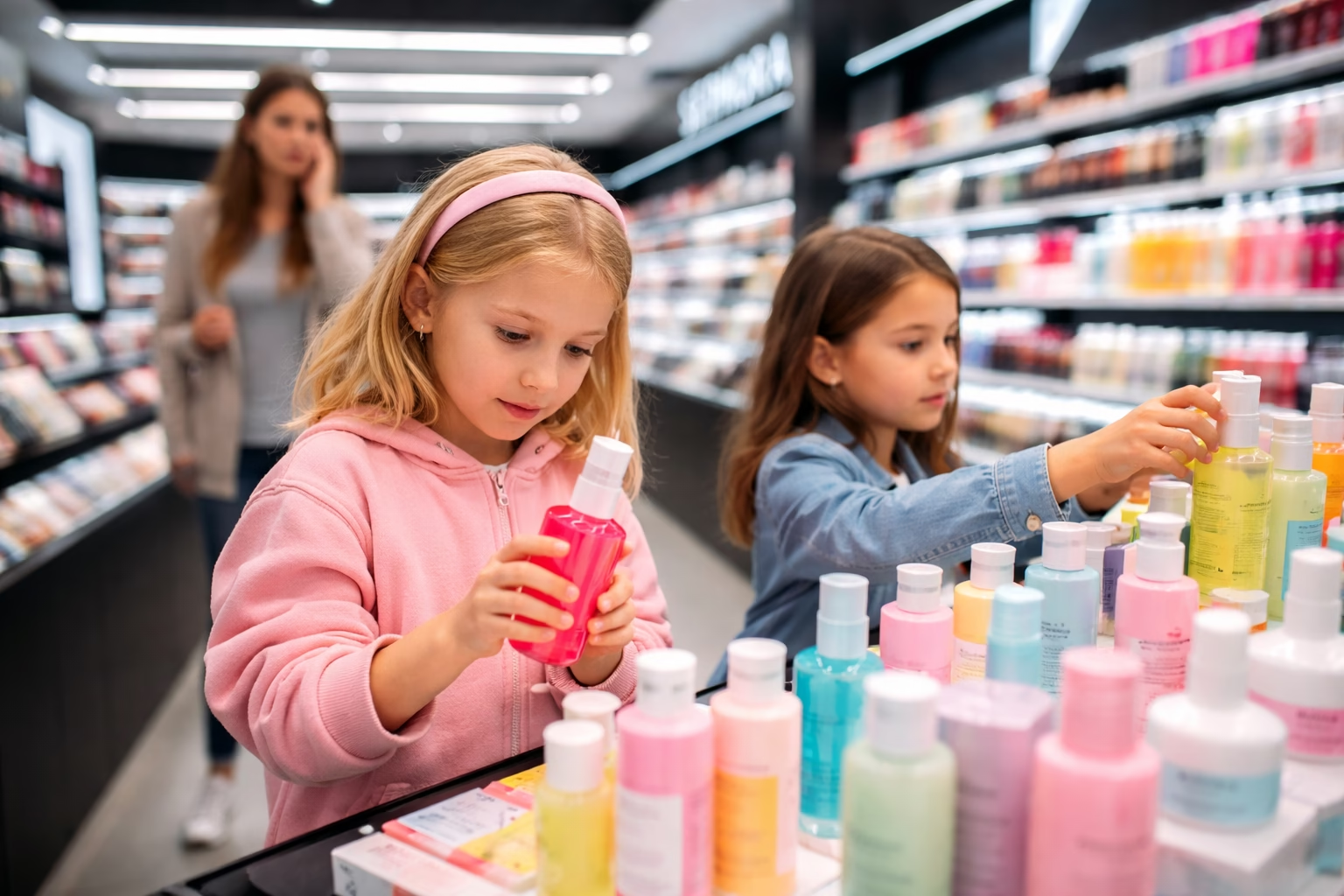
Italy Investigates Sephora and Benefit Over Marketing Skincare to Children
Italy has taken a significant step in regulating the beauty industry by launching an investigation into major cosmetic brands Sephora and Benefit Cosmetics. Both brands are owned by the global luxury group LVMH and are now under scrutiny for allegedly targeting children with marketing campaigns promoting adult skincare products.
This case highlights growing global concerns about ethical marketing, the influence of social media, and the psychological and physical impact of beauty standards on younger audiences.
Background of the Investigation
The investigation was initiated by Italy’s competition authority (AGCM), which is responsible for protecting consumers and ensuring fair business practices. Authorities suspect that Sephora and Benefit Cosmetics may have engaged in unfair commercial practices by promoting skincare products to children and adolescents.
According to regulators, these campaigns may have encouraged minors—including children under the age of 10—to purchase products such as serums, face masks, and anti-aging creams. These items are typically designed for adult skin and may not be appropriate for younger users.
Officials are also investigating whether companies failed to clearly communicate warnings or safety information regarding the use of such products by minors.
The Rise of “Sephora Kids” and Social Media Influence
A major factor behind the investigation is the viral trend known as “Sephora Kids.” This trend involves children sharing beauty product hauls, skincare routines, and in-store experiences on platforms like TikTok and Instagram.
Social media has amplified the reach of beauty brands, allowing them to connect with younger audiences more effectively than ever before. However, regulators believe this has blurred the line between entertainment and advertising.
Authorities have raised concerns about the use of young micro-influencers, who promote products to their peers in a way that feels authentic but may lack transparency. This strategy can encourage impulsive buying behavior and create pressure among children to adopt complex skincare routines.
Understanding “Cosmeticorexia”
The investigation also brings attention to a growing phenomenon known as cosmeticorexia. This term refers to an unhealthy obsession with skincare and beauty routines, particularly among young people.
Experts warn that children are increasingly feeling the need to achieve “perfect” skin, even before reaching adolescence. This obsession is often fueled by constant exposure to curated beauty content online.
Cosmeticorexia can lead to:
- Excessive use of skincare products
- Anxiety about appearance
- Early adoption of anti-aging treatments
- Compulsive purchasing habits
Italian regulators have linked the marketing practices under investigation to this broader issue, emphasizing its potential harm to children’s mental health.
Health Risks for Young Skin
Dermatologists have expressed serious concerns about children using adult skincare products. Young skin is naturally more sensitive and does not require intensive treatments.
Products containing strong active ingredients—such as retinol or exfoliating acids—can cause:
- Skin irritation and redness
- Damage to the skin barrier
- Long-term sensitivity issues
Experts warn that children using multiple skincare products without proper knowledge may face both short-term and long-term health risks.
Marketing Ethics Under Scrutiny
At the heart of this issue is the question of ethical marketing. While it is not illegal to sell skincare products to minors, targeting them directly raises serious ethical concerns.
Regulators are examining whether Sephora and Benefit:
- Encouraged premature use of adult cosmetics
- Used misleading or incomplete product information
- Leveraged influencers to indirectly target children
- Promoted excessive consumption habits
The Italian authority described some of these strategies as potentially “insidious,” especially when aimed at a vulnerable audience like children.
Brand Response and Industry Impact
Both Sephora and Benefit Cosmetics, along with their parent company LVMH, have stated that they are cooperating fully with the investigation. They maintain that they comply with all applicable regulations.
Regardless of the outcome, this case could have a major impact on the beauty industry, particularly in Europe. It may lead to:
- Stricter advertising guidelines
- Greater transparency in influencer marketing
- Age restrictions on certain products
- Increased awareness among parents and consumers
This investigation could also set a precedent for other countries facing similar concerns about children and beauty marketing.
The Bigger Picture: Changing Consumer Culture
The situation reflects a broader cultural shift where beauty and skincare are no longer limited to adults. Children today are growing up in a digital environment where appearance is heavily emphasized.
The combination of social media trends, influencer culture, and aggressive marketing has created a new generation of consumers who are engaging with beauty products at an increasingly young age.
This raises important questions:
- Should there be stricter rules for marketing to children?
- Are brands responsible for how their products are used?
- How can parents and educators address these influences?
Conclusion
Italy’s investigation into Sephora and Benefit Cosmetics marks a turning point in how regulators view the intersection of marketing, social media, and youth culture. While the beauty industry continues to evolve, this case highlights the need for greater responsibility when targeting vulnerable audiences.
As discussions around cosmeticorexia and ethical advertising grow, brands may need to rethink their strategies to ensure they are not only effective—but also safe and socially responsible.
FAQs
1. Why is Italy investigating Sephora and Benefit Cosmetics?
Italy is investigating these brands for allegedly marketing adult skincare products to children using potentially misleading or unethical strategies.
2. What is cosmeticorexia?
Cosmeticorexia is an unhealthy obsession with skincare and beauty routines, especially among young people.
3. What is the “Sephora Kids” trend?
It refers to children sharing skincare routines, product hauls, and beauty content on social media platforms.
4. Are skincare products harmful to children?
Some products, especially those with strong active ingredients, can harm young skin and cause irritation or long-term damage.
5. Is it illegal to sell skincare to minors?
No, but targeting children through marketing raises ethical concerns and may violate consumer protection laws.
6. What role does social media play in this issue?
Social media amplifies beauty trends and allows brands to indirectly influence children through influencers and viral content.
🚀 Take Your Digital Growth to the Next Level with TechInDesign
In today’s fast-changing digital landscape, staying ahead means moving quickly, adapting smartly, and building strong online systems. TechInDesign empowers your brand to do exactly that.
Our experts deliver end-to-end solutions in:
- Website Development – Create visually stunning, high-performing websites.
- UI/UX Design – Craft seamless, user-friendly experiences.
- Social Media Management – Engage your audience and grow your community.
- SEO & Branding – Boost visibility and strengthen brand authority.
- Custom Digital Services – Tailored strategies to fit your unique goals.
We don’t just build digital assets; we create strategies that give your business a competitive edge and ensure sustainable, long-term growth.
📩 Ready to elevate your digital presence? Contact TechInDesign today and start building the digital future your brand deserves