
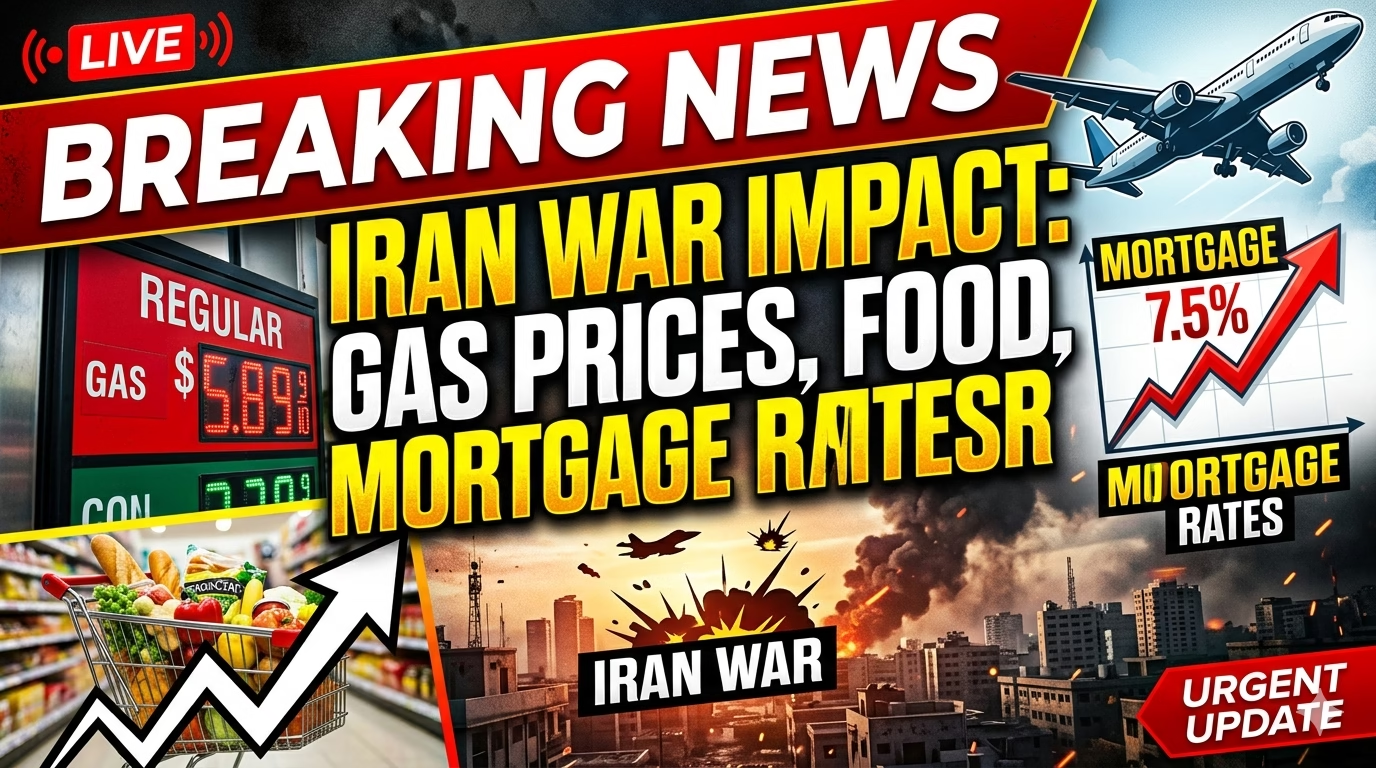
Flights, Fertilizer, Mortgage Rates: How the Iran War Is Raising More Than Just US Gas Prices
The Iran war is not just a political or military issue anymore—it’s becoming a global economic problem. Most people first notice the impact through rising gas prices, but the truth is much bigger. The conflict is affecting flights, food prices, fertilizer costs, and even mortgage rates.
This means everyday life is becoming more expensive, not just in the United States but across the world.
Why Are Gas Prices Going Up?
The biggest reason behind rising gas prices is oil. The Middle East is one of the most important oil-producing regions in the world. When conflict starts in this region, oil supply becomes uncertain.
When supply is at risk:
- Oil prices go up
- Fuel becomes expensive
- Transportation costs increase
As a result, gas prices rise quickly. This is why people are seeing higher prices at petrol stations.
Many people are asking: will gas prices go up because of the Iran war?
The answer is yes—if the conflict continues, prices are likely to keep increasing.
Oil Prices and Global Impact
Oil prices don’t just affect fuel—they impact the entire economy.
When oil prices rise:
- Shipping becomes expensive
- Manufacturing costs increase
- Goods become more expensive
This is why even products that have nothing to do with fuel start becoming costly.
For example:
- Clothing prices can increase due to shipping costs
- Electronics become expensive due to production costs
- Daily household items also rise in price
So, the Iran war is indirectly affecting almost everything we buy.
Flights Are Getting More Expensive
Airlines depend heavily on fuel. When fuel prices go up, airlines have no choice but to increase ticket prices.
Because of the Iran war:
- Airfare prices are rising
- Budget airlines are cutting routes
- International travel is becoming expensive
Even cargo flights are becoming costly, which affects global trade.
This means:
- Traveling abroad costs more
- Business trips become expensive
- Import/export prices increase
Fertilizer Prices Are Rising Fast
One of the biggest hidden impacts of the Iran war is on fertilizer.
The Middle East plays a key role in producing fertilizer and its raw materials. When supply is disrupted:
- Fertilizer prices increase
- Farmers face higher costs
- Crop production becomes expensive
This leads to a serious chain reaction.
Food Prices Will Go Up
When fertilizer becomes expensive, farmers spend more money to grow crops. This cost is then passed on to consumers.
As a result:
- Wheat prices rise
- Rice becomes expensive
- Vegetables and fruits cost more
This means grocery bills increase for everyone.
So even if you are not directly affected by fuel prices, you will feel the impact through food costs.
Mortgage Rates Are Also Affected
Many people don’t realize that wars can affect mortgage rates.
Here’s how it works:
- War increases inflation
- Governments try to control inflation
- Central banks raise interest rates
- Mortgage rates go up
This means:
- Buying a house becomes more expensive
- Monthly payments increase
- Loans become harder to afford
So, the Iran war is not just about fuel—it’s also affecting housing markets.
How Much Is the Iran War Costing the US Per Day?
A common question is: how much is the Iran war costing the US per day?
While exact numbers can change, wars typically cost hundreds of millions to billions of dollars daily when you include:
- Military operations
- Equipment and logistics
- Support and defense systems
This creates pressure on the economy and increases government spending.
US War Cost Tracker and Economic Pressure
If we look at a broader US war cost tracker, history shows that prolonged conflicts can cost trillions of dollars over time.
These costs affect:
- Taxes
- Government budgets
- Public spending
This means less money for development projects and more pressure on citizens.
Inflation Is Rising Everywhere
One of the biggest consequences of the Iran war is inflation.
When fuel, food, and transport costs rise together:
- Prices of goods increase
- Purchasing power decreases
- Savings lose value
This creates a difficult situation for middle-class and low-income families.
Global Supply Chain Disruption
The war is also disrupting global supply chains.
Key issues include:
- Shipping delays
- Increased insurance costs for cargo
- Risk of blocked trade routes
This leads to:
- Shortages of goods
- Higher prices worldwide
- Slower economic growth
Long-Term Economic Impact
If the conflict continues, the long-term impact could be serious:
- Persistent high oil prices
- Slower global growth
- Increased unemployment in some sectors
- Financial market instability
Markets do not like uncertainty, and wars create a lot of it.
What Should People Expect Next?
If tensions remain high, people should be prepared for:
- Continued rise in gas prices
- Higher travel costs
- Expensive groceries
- Increased loan and mortgage rates
However, if the situation stabilizes, prices may slowly come down.
FAQs
1. Will gas prices go up because of the Iran war?
Yes, gas prices are already rising due to oil supply concerns. If the conflict continues, prices may increase further.
2. Why are oil prices increasing?
Oil prices rise when supply is threatened. The Middle East is a key oil-producing region, so conflict creates uncertainty and drives prices up.
3. Why are flights getting expensive?
The war increases fertilizer and transportation costs, which raises farming expenses and leads to higher food prices.
4. How much is the Iran war costing the US per day?
Estimates vary, but ongoing military operations can cost hundreds of millions to billions of dollars per day.
5. How does war affect mortgage rates?
War increases inflation, which leads central banks to raise interest rates, making mortgages more expensive.
🚀Build a Stronger Digital Footprint with RojrzTech
In a constantly changing digital environment, brands succeed by staying flexible and focused. RojrzTech delivers tailored solutions across web development, UI/UX, SEO, branding, and social media to help businesses strengthen visibility and performance online.
📩 Start Your Digital Growth Journey
Connect with RojrzTech to create digital experiences that support long-term growth and meaningful engagement. Let’s shape a smarter, more impactful online presence