
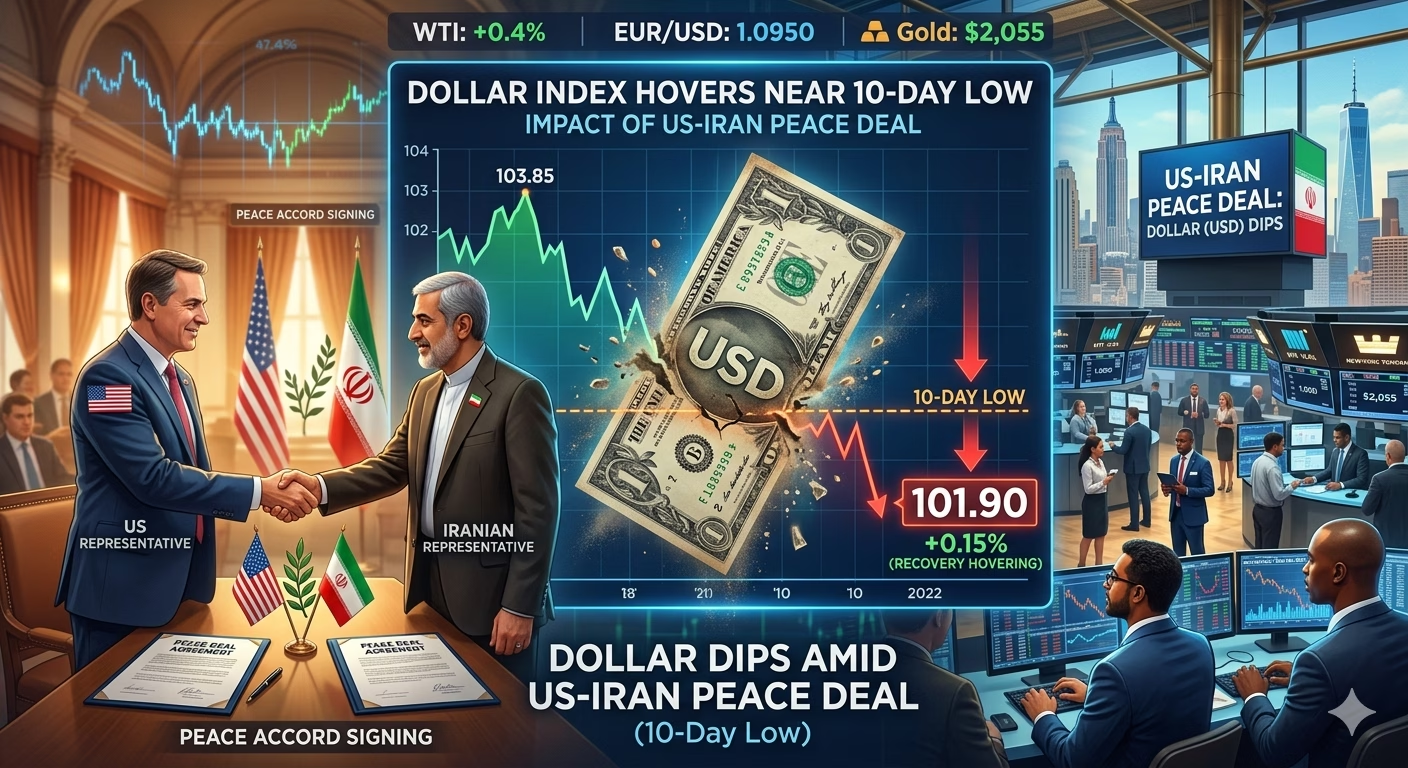
Dollar Hovers Around 10-Day Low as US and Iran Reach Peace Deal
The U.S. dollar remained close to a 10-day low on Monday as financial markets reacted to reports of a peace agreement between the United States and Iran. The development reduced concerns about a broader conflict in the Middle East, encouraging investors to move away from traditional safe-haven assets and toward riskier investments.
Currency traders, bond investors, and commodity markets closely monitored the situation as easing geopolitical tensions improved overall market sentiment.
Why the Dollar Weakened
The U.S. dollar often benefits during periods of uncertainty because investors view it as a safe-haven currency. However, when geopolitical risks decline, demand for the dollar can weaken as investors seek higher returns elsewhere.
Several factors contributed to the currency’s decline:
- Reduced fears of Middle East conflict
- Improved global risk appetite
- Stronger demand for equities and emerging market assets
- Lower demand for safe-haven investments
As confidence returned to financial markets, the dollar slipped toward its lowest level in more than a week.
Impact of the US-Iran Peace Agreement
The reported peace deal between Washington and Tehran has been welcomed by investors concerned about regional stability.
Key expectations include:
- Reduced military tensions in the Gulf region
- Lower risk of disruptions to global energy supplies
- Improved confidence in international trade routes
- Stabilization of oil markets
The agreement has helped calm fears that had previously driven investors toward defensive assets.
Strait of Hormuz Remains in Focus
Despite the positive developments, investors continue to watch the Strait of Hormuz closely.
The strategic waterway handles a significant share of global oil shipments, making it one of the world’s most important energy transit routes.
Recent concerns included:
- Potential shipping disruptions
- Military escalation risks
- Threats to global oil supply chains
- Increased transportation costs
With diplomatic progress reported, concerns surrounding the waterway have eased, although markets remain alert to any new developments.
Treasury Yields and Market Reaction
U.S. Treasury markets also reflected changing investor sentiment.
When geopolitical risks decline, investors often move money away from government bonds and into higher-risk assets. This can affect Treasury yields as demand shifts across financial markets.
Analysts noted that:
- Bond demand softened slightly
- Risk assets attracted new capital
- Investors reassessed safe-haven positions
- Market volatility declined
Treasury yields remained an important indicator of investor expectations regarding economic growth and future monetary policy.
Oil Markets Respond to Reduced Tensions
Energy markets reacted positively to reports of improved relations between the United States and Iran.
Lower geopolitical risk generally reduces fears of supply disruptions, which can ease pressure on oil prices.
Potential outcomes include:
- More stable energy markets
- Improved global supply expectations
- Lower transportation risk premiums
- Reduced market volatility
However, traders remain cautious until the details of any agreement become clearer.
Global Currency Market Impact
The weaker dollar influenced several major currencies.
Currencies that typically benefit from stronger risk sentiment saw gains as investors reduced exposure to safe-haven assets.
Market participants focused on:
- Exchange rate movements
- Central bank policy expectations
- Global growth forecasts
- Commodity market performance
The dollar’s direction in the coming days will likely depend on both geopolitical developments and economic data releases.
Investor Focus on Broader Economic Issues
While the peace agreement captured attention, investors are also monitoring several broader issues:
- U.S. economic growth
- Treasury yield movements
- Inflation trends
- Trade relations between major economies
- Artificial intelligence investment activity
These factors continue to influence global currency markets alongside geopolitical developments.
What Happens Next?
Financial markets will be watching for:
- Further details of the US-Iran agreement
- Developments involving the Strait of Hormuz
- Changes in oil market conditions
- Federal Reserve policy signals
- Upcoming economic reports
Any unexpected developments could quickly change market sentiment and affect the dollar’s performance.
Conclusion
The U.S. dollar hovered near a 10-day low after reports of a peace agreement between the United States and Iran improved investor confidence and reduced demand for safe-haven assets. The easing of Middle East tensions helped support global markets, while attention remains focused on oil supplies, Treasury yields, and future geopolitical developments.
Although markets have responded positively, investors continue to monitor the situation closely as additional details emerge.
FAQs
Why is the dollar trading near a 10-day low?
The dollar weakened as investors reduced safe-haven holdings following reports of a US-Iran peace agreement.
How does a peace deal affect the dollar?
Lower geopolitical risk often reduces demand for safe-haven currencies such as the U.S. dollar.
What is the Strait of Hormuz?
It is a major shipping route for global oil exports and a key factor in energy market stability.
Why do investors watch Treasury yields?
Treasury yields provide insight into investor sentiment, economic expectations, and interest rate outlooks.
How does Middle East stability affect oil prices?
Reduced tensions lower fears of supply disruptions, which can help stabilize oil markets.
What happens when investors move away from safe-haven assets?
They often invest in stocks, commodities, and higher-yielding currencies, putting pressure on the dollar.
Could the dollar recover soon?
Yes, future economic data, Federal Reserve policy decisions, and geopolitical developments could support the currency.
Why is the US-Iran relationship important to markets?
It affects energy supplies, trade routes, geopolitical stability, and investor confidence worldwide.
How do global markets react to geopolitical events?
Investors adjust their portfolios based on risk levels, often moving between safe-haven and growth-oriented assets.
What should investors watch next?
Developments related to the peace agreement, oil markets, Treasury yields, and upcoming economic indicators.
📩 Start Growing Your Digital Presence Today
Partner with RojrzTech to craft digital experiences designed for long-term success and real audience connection. Let’s build an online presence that works harder for your busines