12-Hour Days, No Weekends: The Anxiety Driving AI’s Brutal Work Culture — A Warning for All of Us
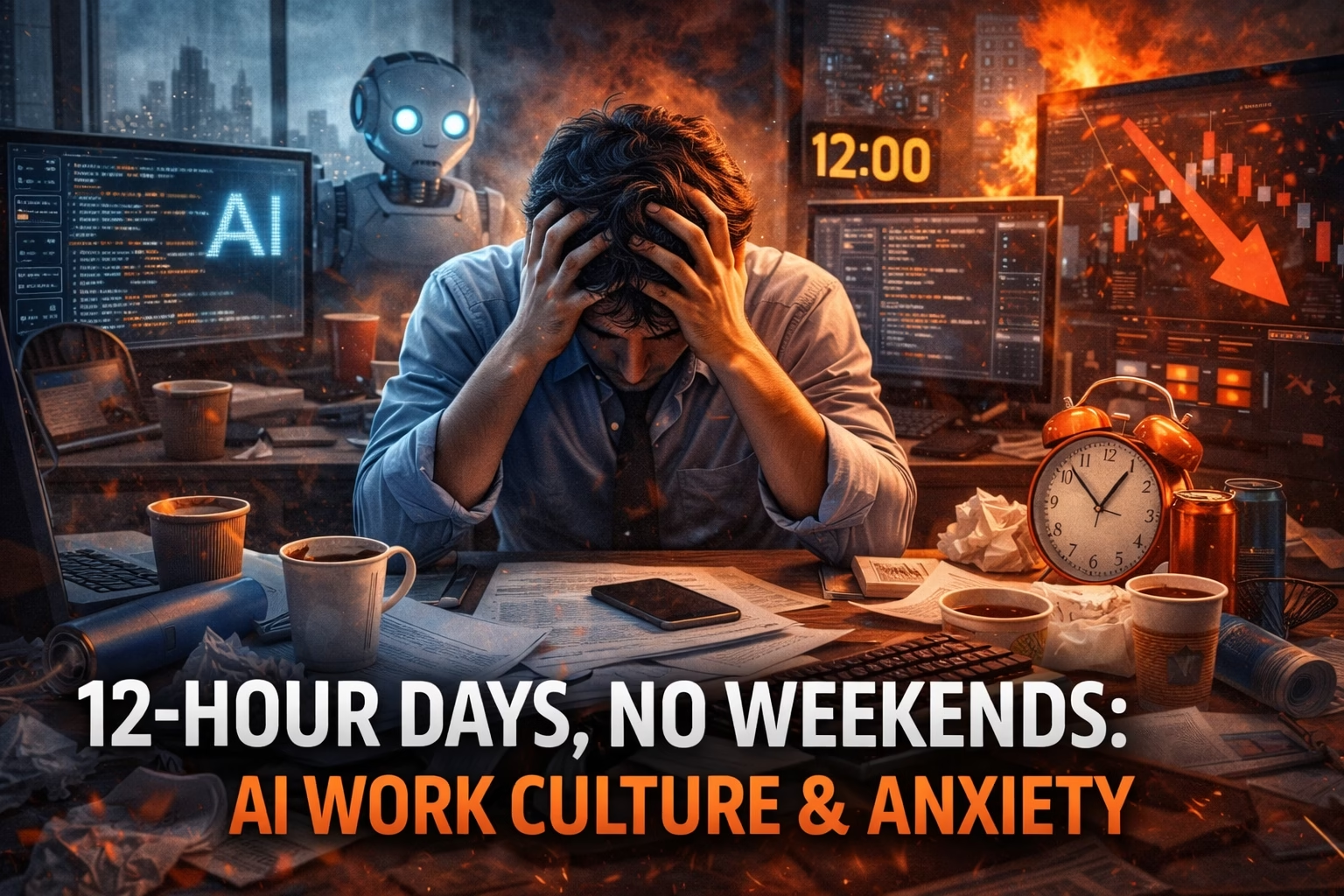
Across Silicon Valley and tech hubs around the world, a new iteration of work culture is emerging — one marked by 12-hour days, no weekends, and rising stress among those building the future. At a moment when anxiety 1 hour can mean lean coding sprints and machine-driven productivity expectations, many tech workers now find themselves working beyond the traditional grind. This acceleration — often justified as part of the latest in artificial intelligence boom — is fueling an intense work ethos that extends far beyond Silicon Valley startups and may soon spread to other sectors.
In San Francisco’s AI startup ecosystem, employees describe a rhythm of life where work bleeds into all waking hours — and past. Founders, developers, and engineers routinely clock double-digit hours, sometimes working through weekends without pause. The environment is not only fast-paced but also rife with anxiety day to day as workers push to keep up with evolving technologies, competition, and future uncertainty.
The Roots of AI Work Culture Intensity
For many in artificial intelligence and tech, the pace of innovation is intoxicating — and exhausting. The promise of AI has animated entire industries, driving investment, hype, and pressure to deliver results quickly. But with this promise comes a shadow side: a belief that constant immersion is required to stay relevant. Workers feel that skipping even a weekend means falling behind in recent developments in AI, which rapidly evolve as new tools and breakthroughs emerge almost daily.
Such cultural norms echo older patterns like the infamous 996 working model — eight to nine hours a day stretched into a gruelling 12-hour schedule, six or seven days a week — but in the AI space, the expectations are often even steeper. In this extreme environment, startups and founders celebrate long hours as a merit badge; employees internalise them as necessary to compete, innovate, or simply stay employed.
For some workers, that pressure translates to a chronic sense of anxiety hour, where even short breaks trigger worry about falling behind in machine learning research, model updates, or demo deadlines. These feelings have intensified as AI accelerates — not just productivity, but expectations.
From Hustle Culture to High Anxiety
The contemporary AI work culture is more than hard work — it’s a blend of ambition and insecurity. Many employees embrace long days out of passion for innovation, but others feel compelled by fear: fear of missing out, fear of replacement by AI, fear of inability to meet expectations, fear of job insecurity. These pressures compound, leading to what some experts describe as anxiety for 12 hours — a mental state where stress and long work schedules reinforce each other.
Workers report sacrificing social lives, rest, and even personal hobbies in exchange for time spent coding or managing AI projects. Some startups operate around the clock, with employees sharing stories of turning offices into living spaces, where sleeping, coding, and eating happen in the same monitored environment. The boundary between professional and personal life blurs further when push notifications for model training results or code integrations don’t stop after office hours.
In this context, the experience of anxiety sahil adeem — a metaphorical expression for the pervasive stress in high-pressure environments — is becoming more common. Even when individuals are intrinsically interested in their work, the relentless pace tied to recent articles on AI developments and near-constant disruption contributes to weariness and emotional strain.
Why Does This Culture Persist?
Several forces sustain this brutal work culture:
1. Competitive Pressures
Tech startups operate in a high-stakes race for investment, market share, and technological breakthroughs. In AI, where innovation cycles are swift and venture capital abundant, the pressure to deliver results can eclipse concerns about wellbeing.
2. AI Hype and Productivity Myths
AI is framed as a productivity booster. Yet paradoxically, for many employees, it amplifies workload rather than reduces it. Workers using AI tools may produce more, but expectations quickly rise — turning what should be efficiency gains into longer workdays.
3. Fear of Obsolescence
With some jobs predicted to shift dramatically due to automation and AI, workers feel the need to demonstrate unmatched commitment to stay relevant. This fear — particularly at the junior career stage — contributes to long hours and heightened anxiety day experiences.
The Personal Toll of Long Hours
The physical and psychological toll of 12-hour days and zero weekends is significant. Extended work hours have been linked to diminished mental health, burnout, chronic stress, and reduced social connectivity. Workers often report fatigue, sleeplessness, and difficulty fully disconnecting — symptoms associated with prolonged stress responses in the body.
These pressures also impact creativity and productivity. While founders may equate longer hours with higher outputs, evidence suggests that cognitive performance declines sharply after extended periods without rest. Working longer doesn’t necessarily mean working better — especially when human attention wanes.
Broader Implications Beyond Tech
While the article focuses on AI startups in San Francisco, this work culture may be a precursor to wider shifts in other industries. As AI tools spread through sectors like finance, healthcare, and creative services, the same anxiety driving high work intensity in tech could soon become a feature of many workplaces.
If employers across fields use AI to accelerate workflows without adjusting expectations, workers might find themselves compelled to match AI’s speed with increasingly intense human effort. This raises critical questions for labor practices, mental health support, and sustainable employment norms.
Is There an Alternative?
Some workers and industry leaders are beginning to push back against this relentless pace. Discussions around work-life balance, time off, and respectful integration of technology suggest that there is room for alternative models.
AI itself can be leveraged to reduce workload if implemented thoughtfully — not as a tool to demand more from workers, but to support smarter, more efficient workflows. This requires cultural shifts, leadership awareness, and policies that prioritise wellbeing alongside innovation.
Featured Keywords In Context
Throughout this article, key expressions like anxiety 1 hour, anxiety sahil adeem, anxiety 1h, anxiety for 12 hours, anxiety theme 1 hour, anxiety day, anxiety hour, and 12 hours blog are woven into the narrative to help resonate with readers exploring these terms. These keywords reflect the emotional and experiential dimensions of work culture intensifying under the influence of AI.
FAQs — Anxiety and AI Work Culture
Q: Why are AI startups associated with 12-hour workdays?
AI startups often operate in highly competitive environments with intense product cycles, which encourages extended work hours as teams push to meet deadlines and innovate quickly.
Q: What is anxiety for 12 hours at work?
It refers to the ongoing stress experienced during long work demands — where anxiety persists across extended workdays and with little personal time.
Q: Is AI the cause of increasing workplace anxiety?
AI contributes by increasing expectations for productivity, but anxiety also stems from fear of job replacement, rapid technological change, and competitiveness.
🚀 Build a Stronger Digital Footprint with RojrzTech
In a constantly changing digital environment, brands succeed by staying flexible and focused. RojrzTech delivers tailored solutions across web development, UI/UX, SEO, branding, and social media to help businesses strengthen visibility and performance online.
📩 Start Your Digital Growth Journey
Connect with RojrzTech to create digital experiences that support long-term growth and meaningful engagement. Let’s shape a smarter, more impactful online presence